Stay informed with the latest news
Subscribe to our Telegram channel

Each country determines the principles of the education system based on its own criteria. In this regard, educational opportunities in different countries vary. When establishing the system, the country's historical traditions, modern requirements, the level of need for specialists, economic, social opportunities and patterns are taken into account.
When you look at the education system of countries around the world, you find sometimes instructive, sometimes surprising situations. Luxembourg is one of the countries with such an education system.
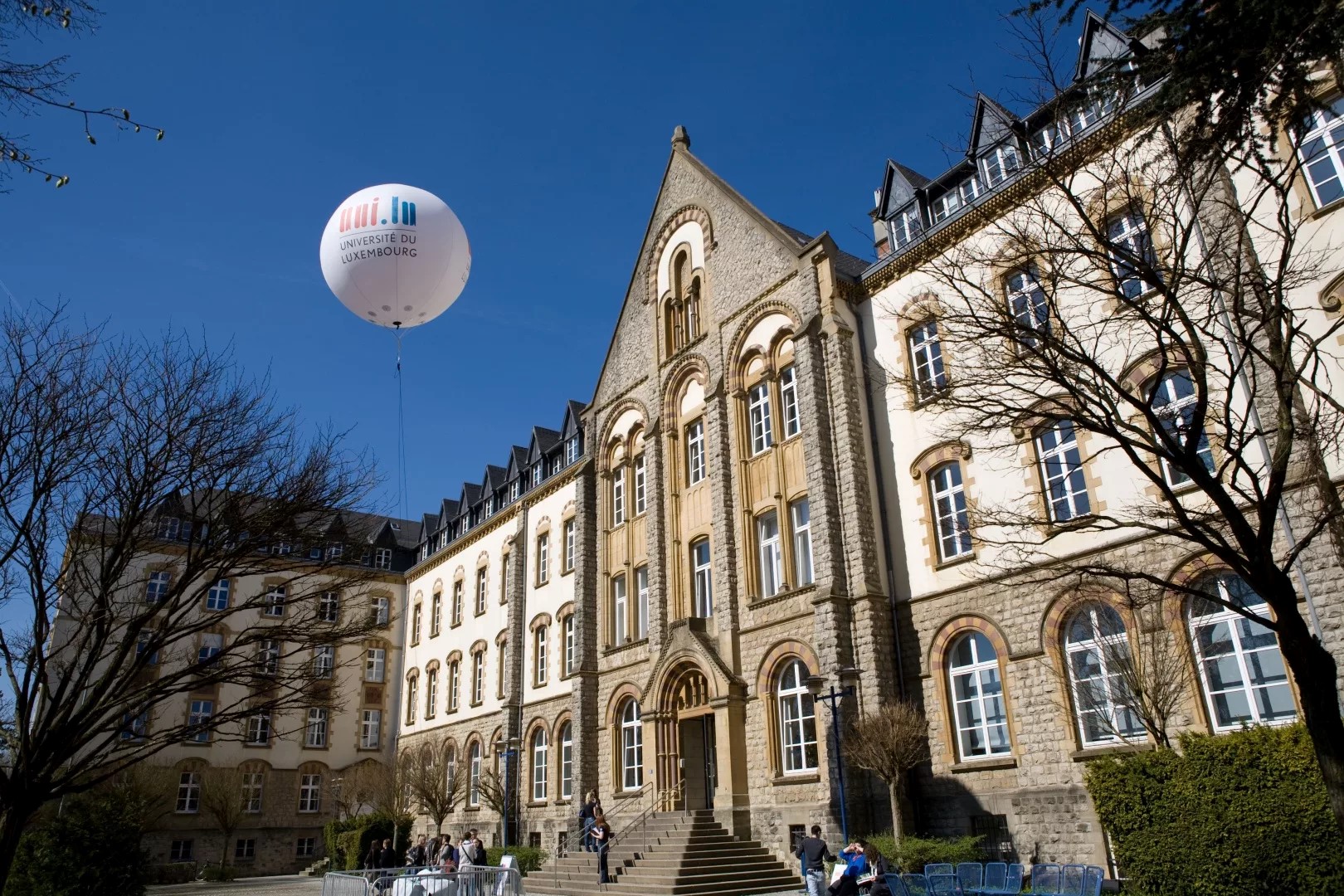
You know, there are no universities here at all. Of course, there are 4 institutions in the country. They all belong to the state. However, they are not institutions of higher academic education in the true sense of the word, but rather institutions of professional education.
If we talk about the education system...
Luxembourg's education system has not changed since 1912 (when the system was founded). All children under 16 years of age must be registered for education. The study will last for a total of 11 years. This period also includes two-year preparatory courses.
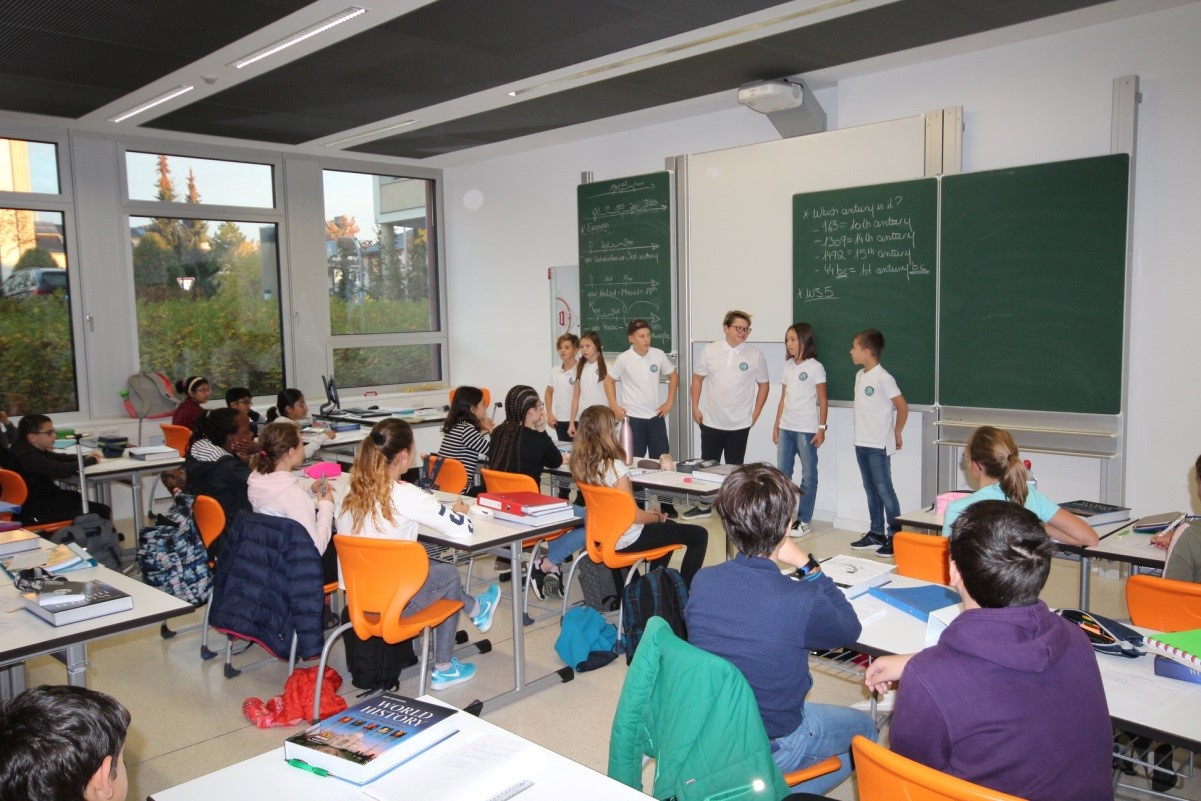
The public education system begins with preschool institutions designed for children aged 4-6 years. The next stage is primary compulsory schools. The duration of their studies is 6 years (6-12 years). Free education is provided at this stage. Schools can be public or private institutions.
A child goes to secondary school at the age of 12 and studies there for 3 years. Secondary education in the country is divided into general and secondary technical education. Secondary school education is also provided in classical and modern lyceums. The duration of education in classical lyceums is 7 years, while in modern lyceums it is 6 years. Such schools provide education on a paid basis, and studying there is not mandatory. The academic year begins in October and ends in July. Know at least three foreign languages
Education in compulsory schools is conducted in German. In secondary school, classes are taught in French. French is taught in the same order in compulsory schools.
It should be noted that both children and adults are equally supported by the state in learning foreign languages. For this, the Luxembourg Language Center is constantly at your service. It should be noted that this center is not among the usual language centers. It is so popular that the institution does not have the opportunity to say "yes" to all applicants. The center has all the necessary amenities for language learning, including free computer education.
As a result of the assistance provided by the state and the aspirations of citizens, almost every citizen of the country has mastered at least 3 foreign languages.
As mentioned above, there are no universities in Luxembourg. In 1969, a university center was opened, preparing students for studying at foreign universities. After completing their studies at this center, young people will have the opportunity to enter the 2nd year of higher educational institutions of foreign countries.
 It is true that there are several universities or institutes here, such as the University of Labor, founded in 1973, but they do not provide full specialized education.
There are several colleges and conservatories in the country. At the same time, there is a National Library in the city, which has been operating since 1798, and its collection is very large. The National Museum is also located here. In addition, the Society of Naturalists and the Grand Duke Institute also operate. This institute has sections of history, medicine, natural sciences, literature and art.
Where will they become specialists?
In Luxembourg, the prestige of existing engineers and technicians, or graduates of primary school teachers' courses or 2-year practical courses, is extremely high. They will have no difficulty in getting a job or continuing their education in any other country in the world. However, they are not considered specialists with higher education.
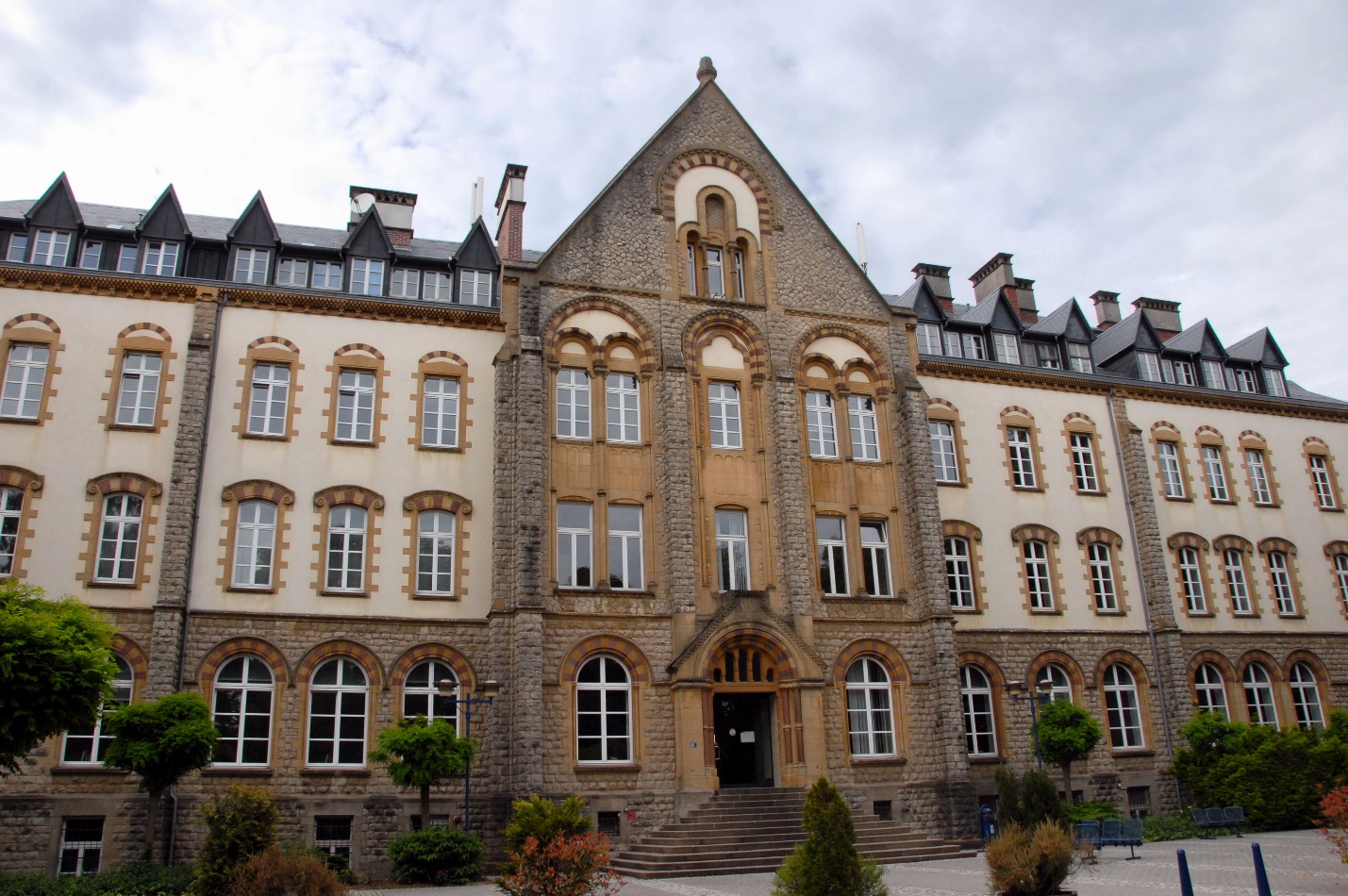
If they want to receive a full university education, then citizens will study the first year of university education in Luxembourg, and then they can transfer to one of the universities of France or Belgium. In this way, Luxembourg citizens receive academic education abroad. On average, the number of students across borders exceeds 3.2 thousand (2002). The most preferred countries for higher education for Luxembourgis are Belgium, France, Germany, Austria, and the United Kingdom.
So, on what basis will the citizens of the country have the right to receive higher education abroad or to start studying there simultaneously from the second year?
European countries, which saw the field of education as the main key and starting point of their development, have done significant work to create the European Higher Education Area. The Sorbonne Declaration, adopted on May 25, 1998, emphasized the importance of universities in the development of European cultural values. This document enabled the creation of the European Higher Education Area. Its goal was to provide qualified specialists for the overall development of the continent.
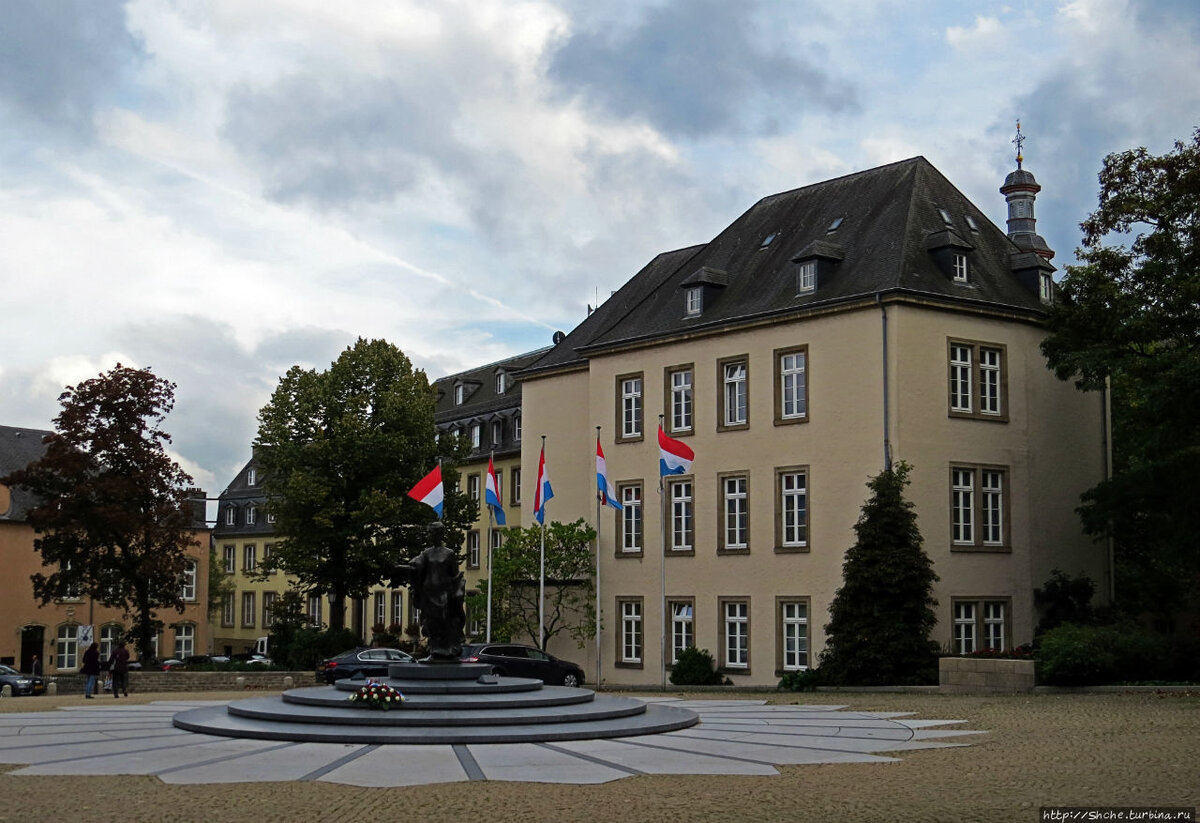
The Bologna Declaration, adopted in 1999, also played a significant role in creating a unified educational space and harmonizing the higher education system. Officially, 35 member countries participate in the Bologna Process. In the two-stage model of higher education, the comparison of academic levels, accumulation (accumulation) and credit transfer (ESTC - European Credit Transfer System), development of cooperation in the field of quality assurance of education, including mutual recognition of accreditation and certification mechanisms are among the processes provided for in the declaration.
ESTC - it is this European transfer system that provides Luxembourg with the aforementioned opportunities. To do this, students must meet the requirements of the university in which they are transferred according to the system criteria.
Yevropa miqyosida qo‘llab-quvvatlanayotgan xorijda oliy ta’lim bosqichida tahsil olish Lyuksemburg hukumati tomonidan ham maxsus moliyalashtirish dasturlari bilan qo‘llab-quvvatlanadi va kafolatlanadi. Davlat tomonidan ta’limga ajratiladigan xarajatlar byudjetning 11,3 foizini tashkil etadi. Bu borada ta’lim xarajatlari faqat ijtimoiy xarajatlardan keyingi ikkinchi o‘rinni egallaydi.
Lyuksemburg G‘arbiy Yevropadagi maydoni bor-yo‘g‘i 2586 km. kv. bo‘lgan kichik bir davlat. Uning aholisi ham o‘ziga yarasha - 443 ming (2001) kishidan iborat. Ammo mamlakat fuqarolari shu darajada ilmga chanqoqki, hatto yetuk mutaxassis bo‘lish uchun o‘zga davlat universitetlari eshigini taqillatishga va jahon xaritasida yuksak darajada rivojlangan industrial davlat sifatida qayd etilgan vatanlari rivojiga hissa qo‘shishga doimo tayyor.
To‘plovchi Ma’mura To‘rayeva
#Article