Stay informed with the latest news
Subscribe to our Telegram channel

Education is a fundamental factor in the development of every society. The intellectual and spiritual growth of individuals, as well as a society's achievements in cultural, economic, and scientific spheres, depend on the quality of education. Each student's educational journey consists of several stages, during which specific knowledge and skills are developed. In this article, we will discuss the main stages of education and their significance.
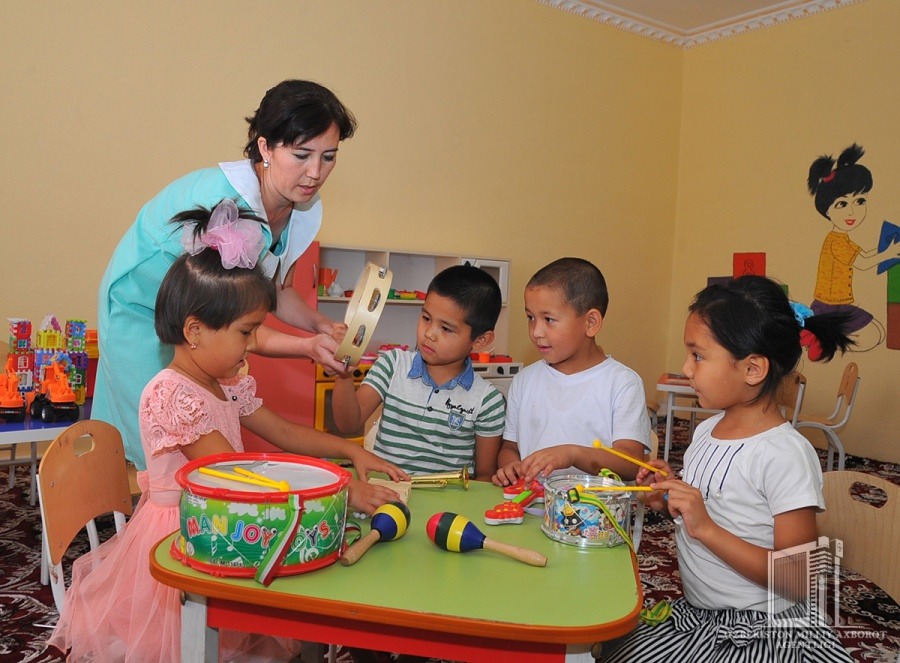
1. Preschool Education and Upbringing
The organization of preschool education and upbringing is governed by the Law "On Education," as well as the Law of the Republic of Uzbekistan "On Preschool Education and Upbringing."
Preschool education and upbringing is a type of education aimed at teaching and nurturing children, fostering their intellectual, spiritual-moral, ethical, aesthetic, and physical development, as well as preparing them for general secondary education. Preschool education and upbringing also includes one year of mandatory preparation for primary education for children aged six to seven.
2. Primary education: Building the foundation of knowledge.
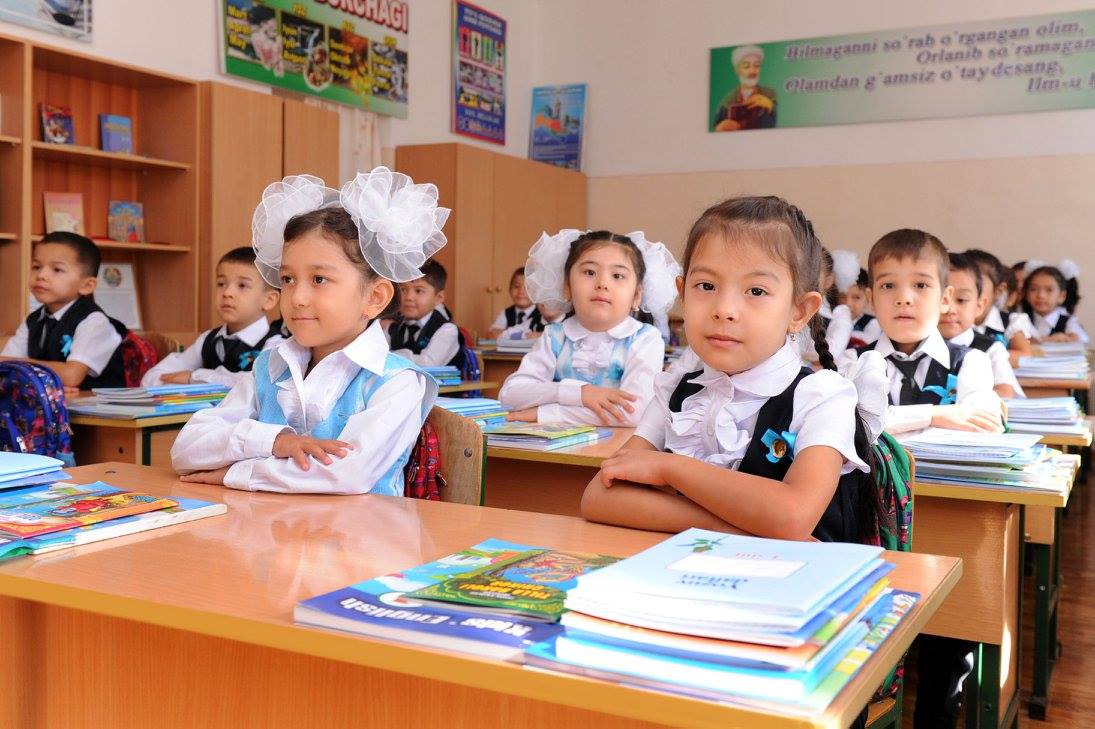
The first stage, i.e., primary education, is the first step towards students' learning. It usually begins at the age of 6-7 and lasts for 4 years. At this stage, students are taught basic skills such as reading, writing, and numeracy. At the same time, the process of intellectual and social development for young children begins based on general knowledge. Primary education plays an important role not only in academic but also in the formation of character. During this period, students learn social skills such as expressing their thoughts and feelings, and interacting with others.
3. Secondary education: Deepening and specialization of education.
Secondary education is intended for students aged 10-15 years and lasts for 5 years. During this period, students acquire not only general knowledge, but also in-depth knowledge based on their interests and abilities. The second stage of secondary education (7th-9th grades) begins with a specialization stage for students. In secondary education, students acquire basic knowledge necessary for choosing their future professional direction. Various subjects, ranging from mathematics to natural sciences and the humanities, are taught, which serves to improve the overall level of knowledge of the individual.
4. Secondary Special Education and Vocational Education: Development of Professional Skills
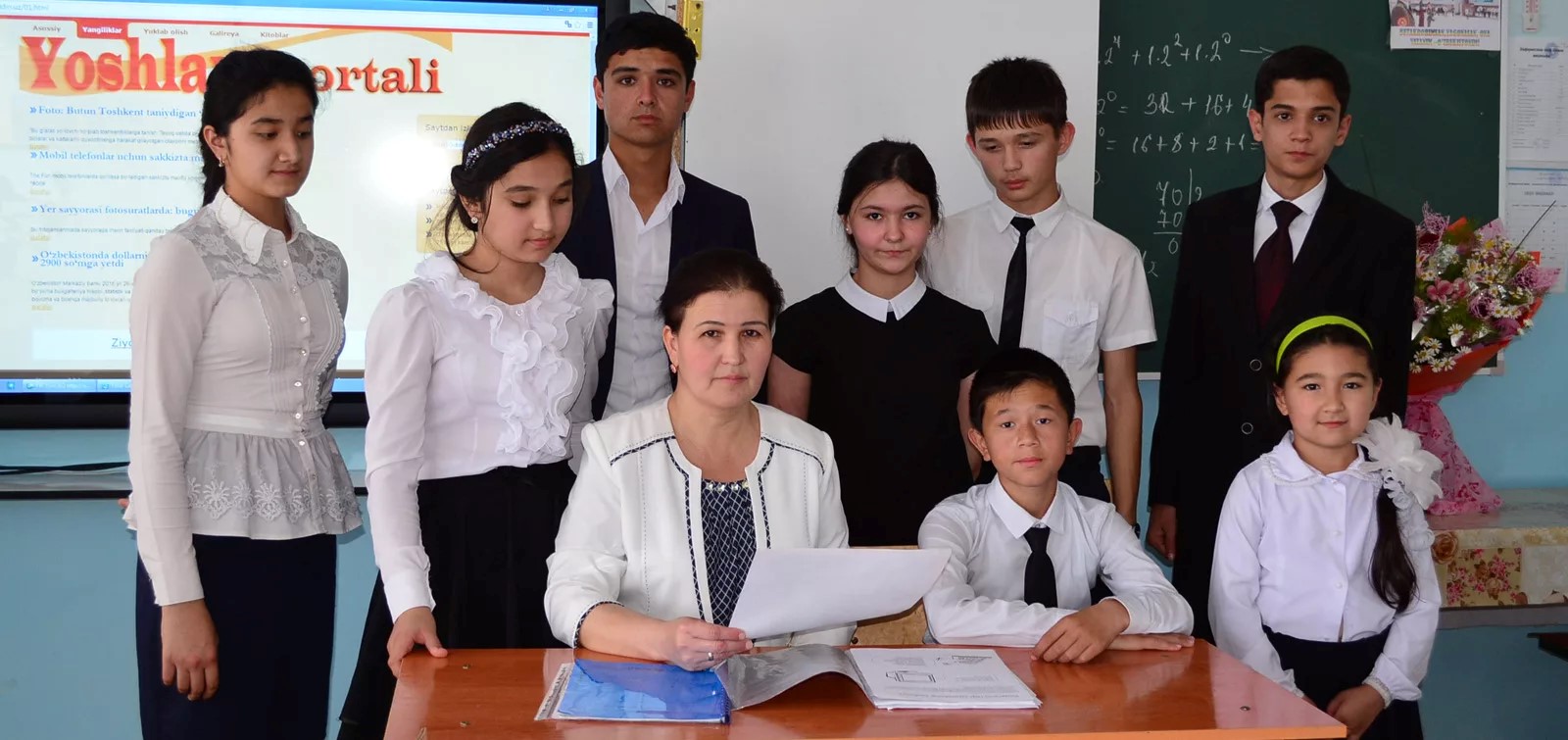
Secondary specialized education, or vocational education, is available for young people who have completed secondary education. At this stage, students acquire in-depth knowledge in a profession or field. Technical schools, vocational colleges and academies prepare students for their specialty. The significance of secondary vocational education lies in the fact that it allows students to develop practical skills, acquire technical knowledge, and acquire skills necessary for the labor market.
5. Higher education: Academic and scientific progress
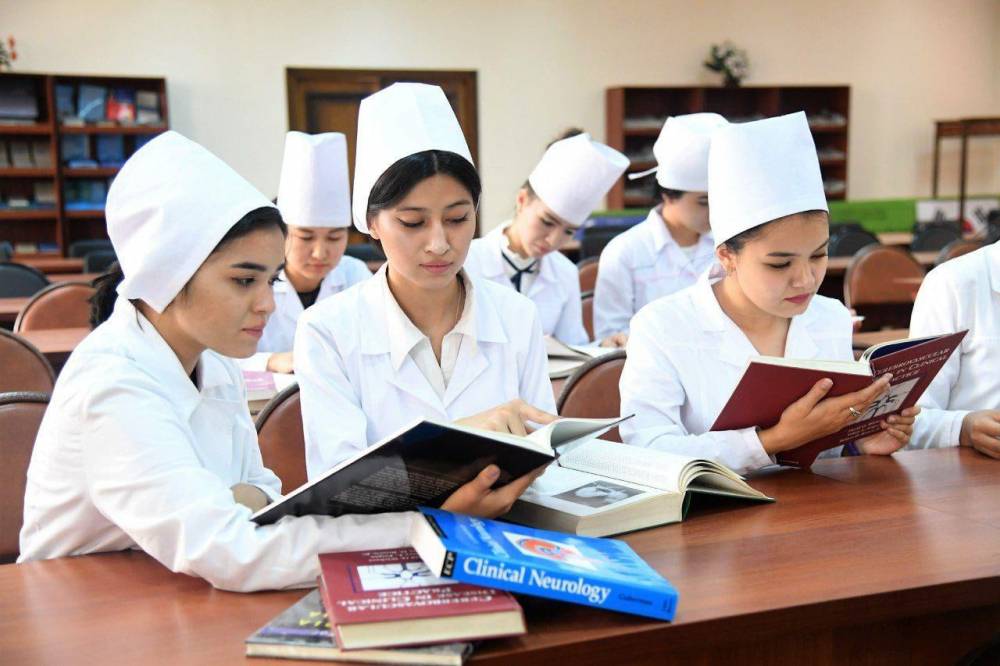
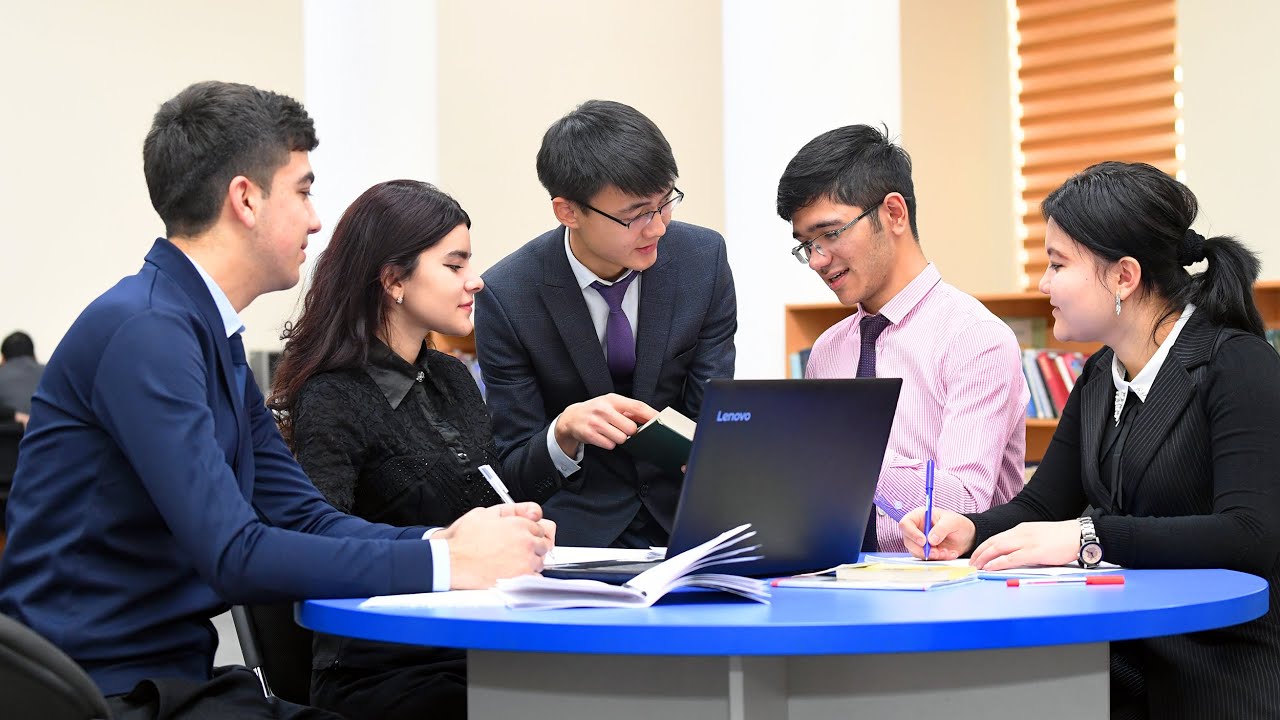
Higher education is typically carried out in universities and other higher education institutions. At this stage, students acquire in-depth scientific knowledge in accordance with their interests and specialties. Higher education is offered in the forms of bachelor's, master's, and doctoral studies, and at each stage students conduct their own scientific research. The most important aspect of higher education is the development of science and technology, the making of new discoveries and the contribution to social development. During this period, students develop not only knowledge, but also the ability for scientific research and systematic thinking.
6. Scientific and professional activity: striving for new heights
After graduating from higher education, a person can continue their professional activities or conduct scientific research. Postgraduate education provides for the training of scientific and scientific-pedagogical personnel with a scientific degree based on basic doctoral studies, doctoral studies, and independent research, providing for in-depth study of the specialty and conducting scientific research for the purpose of preparing and defending a doctoral dissertation.
7. Retraining and Professional Development of Personnel
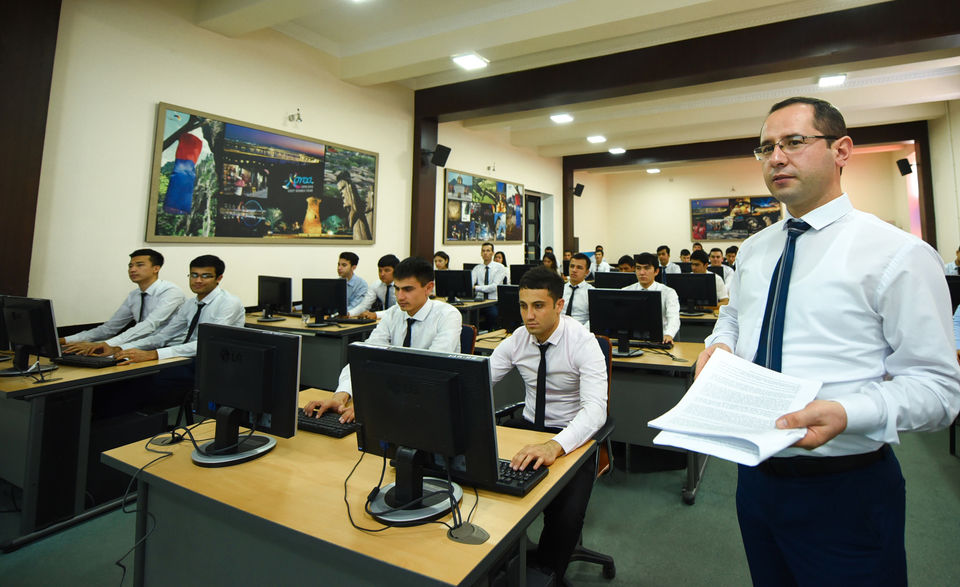
Personnel retraining ensures the acquisition of the necessary volume of additional professional knowledge, qualifications, and skills for carrying out activities in areas corresponding to basic specialties and professions.
The forms and duration of personnel retraining and professional development are determined by the relevant state educational requirements.
Summary
The stages of education are a system that changes throughout a person's life, gradually organizing the learning process. At each stage, students develop their scientific and social skills and become highly qualified specialists, scientists, or effective members of society in the future. Through the education system, society contributes to its economic and cultural development, which creates a foundation for their future success.
Prepared by Ma'mura Turaeva
.
#Article