Stay informed with the latest news
Subscribe to our Telegram channel

It's almost impossible to read all the good books. Even if you read one book a week, you probably won't be able to finish all the great works. Is it possible, then, that fast learning is useless? Of course not! You can learn more and spend more time efficiently by reading quickly.

Princeton University professor Abby Marks-Bill's book "Learning to Read Quickly in 10 Days" contains very interesting and practical recommendations for fast reading. According to him, the read information enters the short-term memory and is stored for several days. The main thing is to understand the information you are reading! Purposeful reading is truly effective reading.
Marx-Bill identifies three major errors that hinder quick learning:
1. Reading the text aloud - it stops reading quickly;
2. When reading a lesson, put down the distracting phone and focus on the book;
3. Re-read one line - read each line once and move on to the next.
Secret way to read fast
When reading a line, look one centimeter to the right, not the beginning of the line. At the end of the line, try not to see where you haven't read. As you continue reading, you need to stop your eyes less often. Mastering this method will allow you to learn faster and more effectively.

Breaks are the secrets of reading
In fast reading, 20-minute breaks are very important. Research shows that after 20 minutes, your brain makes it difficult to perceive information. However, some books deny this - the reader will not stop reading more, because the learning process is so interesting!
The 4-Step Secret of Fast Reading
1. Establish a daily reading habit. Force yourself to read the book under any circumstances - it will help you stay focused. Practice reading even in public or in noise!
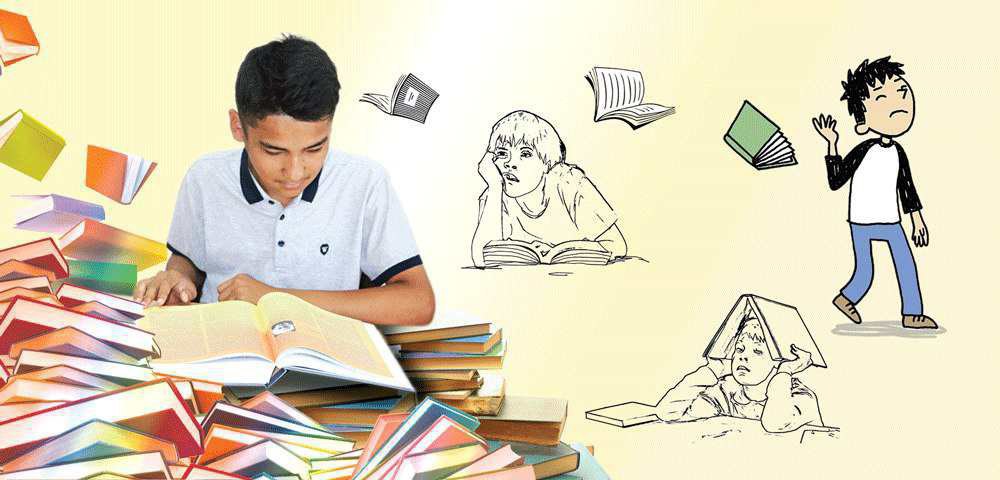
2. The right position for reading. Lying is good, but sitting straight is the best way to read fast. This will help you learn more effectively.
3. Energy recovery. One of the best ways to learn fast is to take a break every 30 minutes and do a few simple exercises. This improves the circulation of the brain and makes the learning process more efficient.
4. The accuracy of the learning goal. Before reading the book, define your goal: what information do you want to get? If the goal of the learning material is to acquire knowledge, you can read the book at a higher rate.

5 books for fast reading and memory development
5 books are waiting for you to quickly read and work on your memory. These books will help improve reading speed and memory:
"Fast Reading" by Peter Camp. The book describes how to read nonfiction books in 15 minutes and how to quickly read.

"Read fast in 10 days" by Abby Marks-Bill. If you want to learn quickly, this book is for you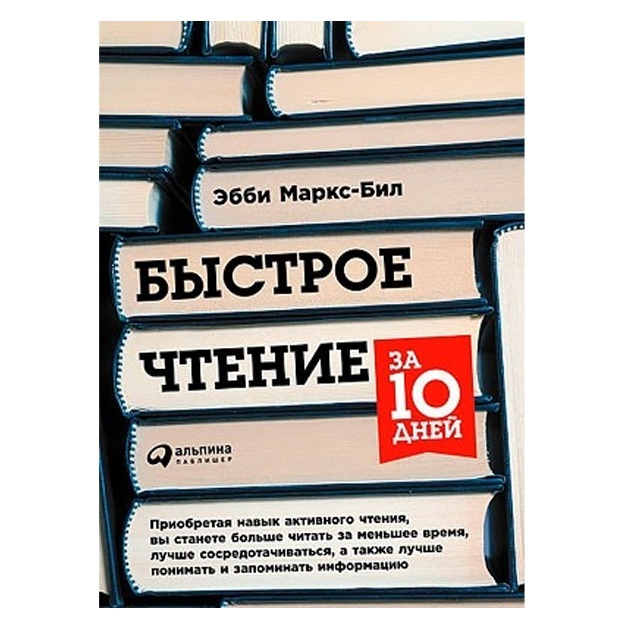
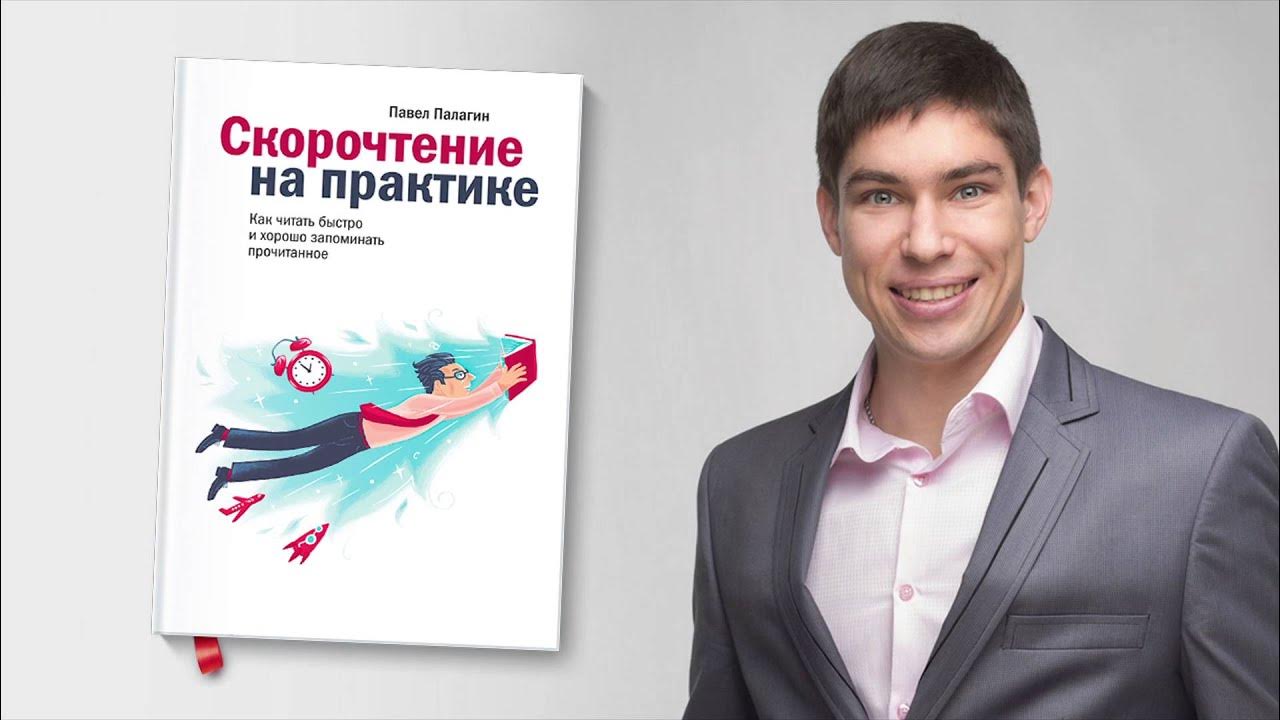
"Rapid Practice Reading" by Pavel Palagin. It is aimed at improving reading skills through practical exercises.
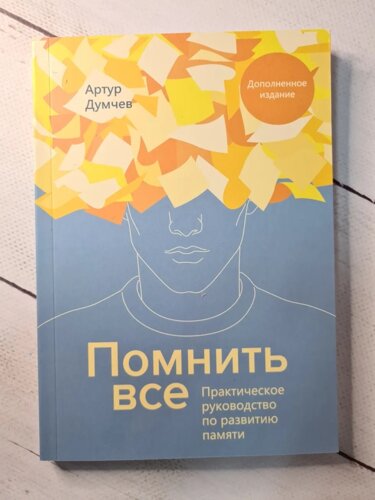
"Remembering Everything" by Arthur Dumchev. Provides fun and practical ways to develop memory.
"Einstein Travels the Moon" by Joshua Foyer. With the help of personal experience and learned memory techniques, this book will inspire you to improve your memory.

Fast reading is not only about saving time, but also about making the learning process more productive and enjoyable. By mastering these techniques, you can not only read more books, but also better remember what you read. The important thing is to keep learning each step. Books can take you to new ideas and opportunities, so enjoy every minute of your reading!
Prepared by Ma'mura Turaeva
#Article