Stay informed with the latest news
Subscribe to our Telegram channel

In scientific terms, student is an Arab seeker learner; Latin: student - one who works diligently, engaged in), in the eyes of brothers and sisters a spendthrift, and in the eyes of relatives a hungry humble person.

In Uzbekistan, unlike students, young people studying in secondary specialized educational institutions are called students, those studying in higher military educational institutions are called listeners, and those studying in secondary military educational institutions are called cadets.
After the spread of Islam in Turkestan (7th-8th centuries), everyone who pursued education after primary school was considered a student. From the 10th century, when madrasas appeared, only those who studied in them were called students. After the establishment of universities in Europe in the 11th-12th centuries, every person working in them, that is, both the teacher and the student, was called a student. Later, when master's, professor, and other academic titles were introduced for teachers, only those who studied were called students.

Students have a serious impact on the development of society and, at the same time, determine the prospects for development, indicating the level of scientific and intellectual potential of each country.

Many aspects of students that you and I don't know about:
Exams and stress during sessions: Student life is often associated with exams. At the end of each semester, they have to struggle with themselves, which often leads to insomnia, stress, and depression. But these tests teach students strength and patience.

Financial difficulties: Many students face financial difficulties. Some students are unmarried, while others receive support from their parents, which, in turn, encourages them to achieve financial independence. Receiving a scholarship, getting a short-term job, or using various financial support programs can become an integral part of student life. These problems sometimes increase the psychological load on students, but during this period they learn self-control and responsibility.
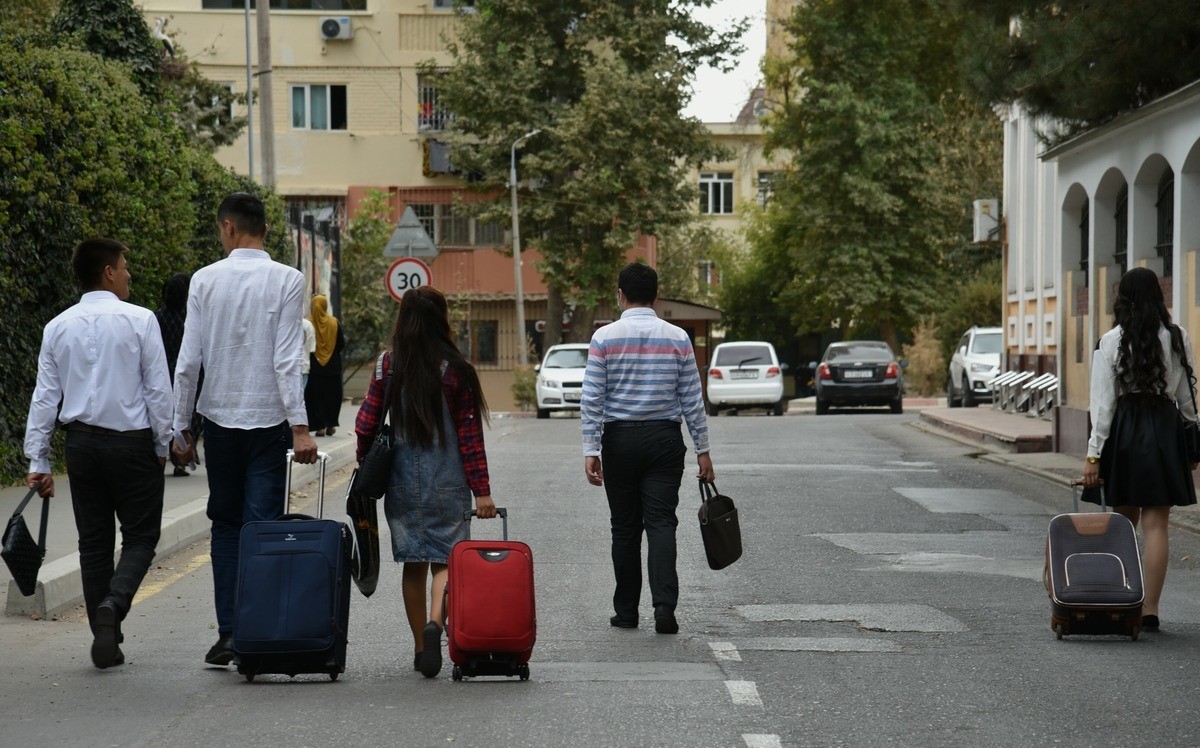
Changes and new experiences: Student life is full of changes and new experiences. Young people who become students will have the opportunity to make new friends, get acquainted with new places and various events. But sometimes these changes can lead to difficulties, because it is not easy to find your place in a new environment. Students spend a lot of time reassessing their inner world and life. During this period, personal development and self-understanding become important.

Friends and love: Friendly relationships play a special role during student life. Many students make real friends, and this becomes a memorable and valuable experience in their lives. Studying together, coping with stress together, and solving problems together strengthens friendships. Love, however, sometimes takes on a different meaning during this period. Being a student is, first of all, an opportunity for physical and spiritual growth. Sometimes these romantic relationships change students' outlook on life, their worldview, and help them set new goals.
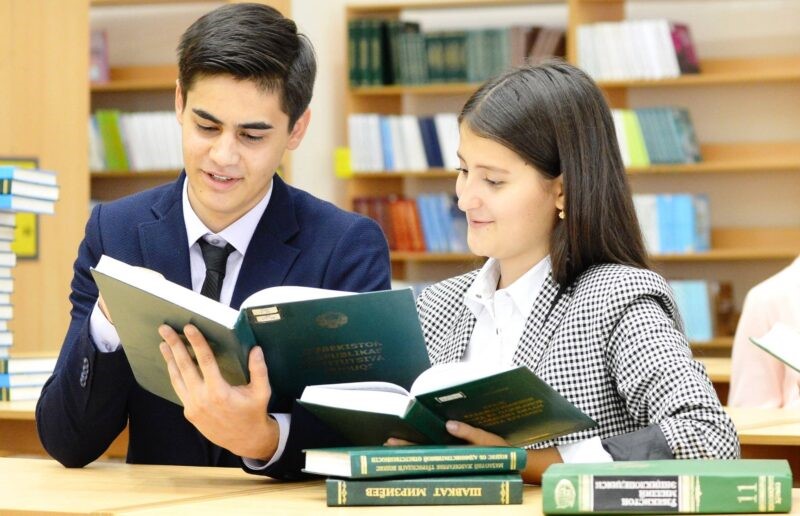
Daily life and time management: Being a student is not only about studying and doing scientific work, but also about managing your personal life. In addition to classes, seminars, and laboratory work, students also need to organize their daily lives. Balancing all of this can be very difficult, but during this period, students learn to manage time correctly. Some people manage time well, while others develop this skill later.

Student life is not only a period of acquiring knowledge, but also the process of finding oneself, stepping into new opportunities, and creating a solid foundation for the future. However, this period is distinguished not only by its positive aspects, but also by many difficulties and complexities. Student life is not only a period of lessons and exams, but also a time of testing one's inner struggles, dreams, and determination.
Prepared by Mamura Turayeva
#Article