Stay informed with the latest news
Subscribe to our Telegram channel
Each country defines its own education system based on its own criteria. Therefore, educational opportunities in different countries vary. When establishing the system, the country's historical traditions and modern requirements are taken into account. Today's article is about the school system of some countries.
Australia:
Knowledge testing: tests, essays and reports; grades are sent by mail twice a year; starting from the third grade, the exam is given every two years.
Reading season
The new academic year begins a little later than the New Year holiday, that is, it begins in late January and early February and ends in early December. There will be ten days of holidays between quarters. Classes start at 08:30, with extended breaks until 15:00.
School uniform
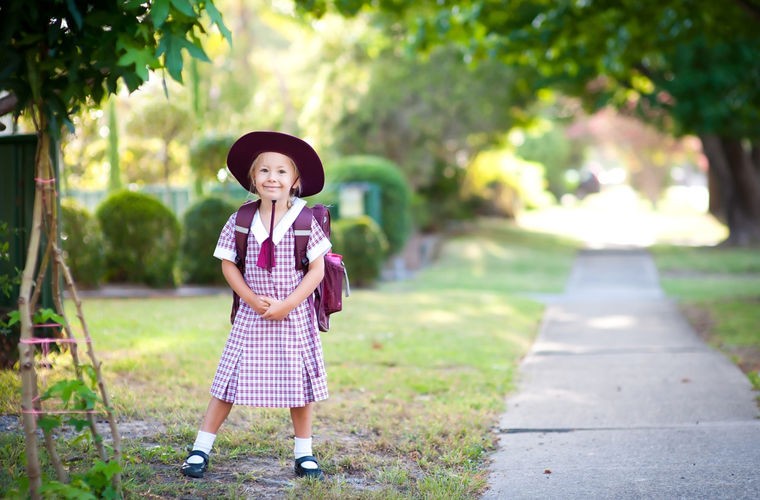
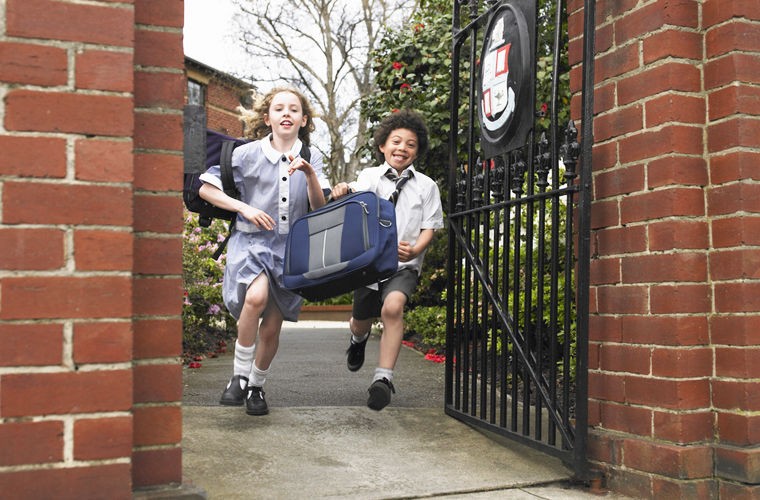
Until the age of 13, boys walk in shorts, and then switch to pants. The top part may be a jacket or sweater, but in all schools students are required to wear hats. Ghetras stand out in girls' school clothes. The uniforms of high school students are different in all schools, they are prohibited from entering the premises of elementary school students.
Two required subjects
Up to the seventh grade, students are taught by one or two teachers in all subjects. Learning is not formal, students behave freely in the classroom. They walk around the classroom, talk freely, and can even sit on the floor. From the 8th to the 10th grade, the number of teachers will increase. Children are required to study mathematics and English, and they choose the remaining subjects. They are also divided according to the complexity of education in the upper, i.e., 11th and 12th grades. Australian schools do not have a specific grading system. Grades are not assigned at all in elementary school. In grades 3-6, students take weekly tests, test assignments, and dictations. However, the grades are posted twice a year and sent to parents by mail.
Taiwan
Cleaning account
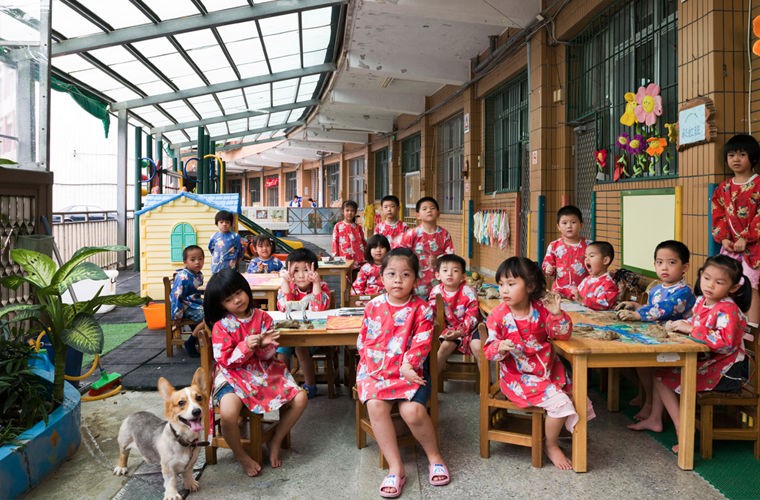
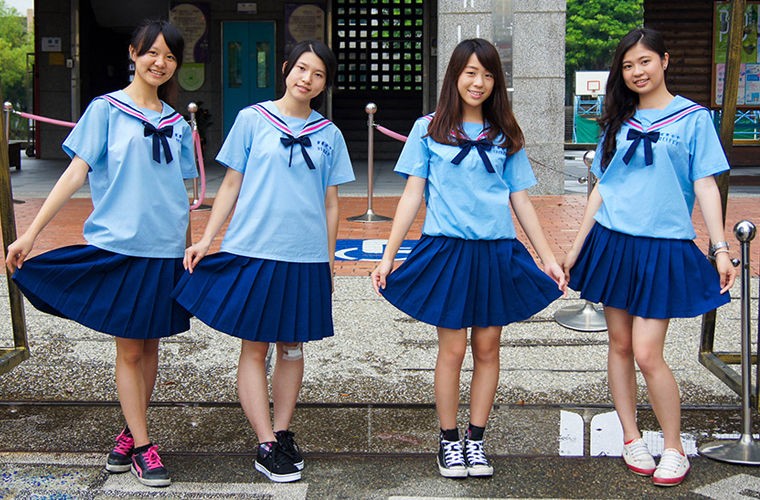
Each morning of a Taiwanese student begins at 7:30 a.m. with a morning workout and a school sweep. The school's cleanliness is strictly controlled. In higher education institutions, students also clean up the university territory throughout the year, and for this, they are also given a check. If they don't clean properly, the obligation is prolonged. Classes start at 08:30 and last until 16:30, with a 10-minute break. There's a half-hour break for lunch only. Currently, the issue of postponing the school day by an hour is being considered in some schools of the country.
Education reform
In 2018, it is planned to complete the education reform in senior grades. According to this, children choose the main part of the subjects themselves and study them according to their abilities, that is, each student has their own lesson schedule. According to the latest reform, teachers do not give homework on leave. The government decided that children should get more rest. Discipline at school is strictly observed. Each educational institution has its own individual form. For those who do not want to wear this uniform, punishment is applied, for example, additional cleaning of a room. According to the PISA ranking, schools in Taipei Region have repeatedly been ranked among the top ten educational institutions.
Finnish educational institutions
Knowledge testing: exams are canceled, knowledge assessment starts in the 4th grade.
No exams
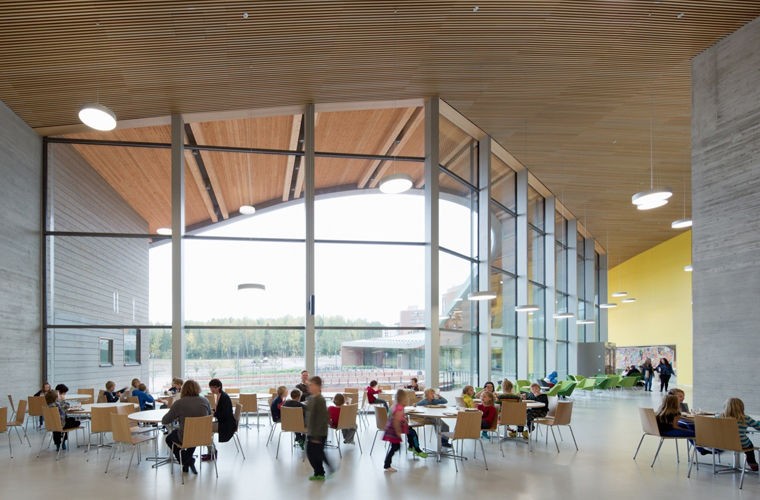
Finland has a similar academic year to ours. Begins in August and ends in May. There is a 3-4-day holiday in the autumn season, and there is also a two-week holiday starting on New Year's Eve. In addition, students go on holiday in the spring. Classes begin at 8 or 9 a.m. on weekdays and continue until noon. Classes last 45 minutes and are between there will be a 15-minute break. There are also differences. Instead of exams, there is a system of average grades in subjects, on the basis of which admission to colleges and lyceums is carried out (this is the second stage of education, after which one can work or enter a higher educational institution).
Reform
By 2020, lessons will look different. Finland is undergoing a school reform, in which students learn a range of subjects on the same topic without mastering different individual subjects. For example, if you choose an area about climate change, you'll study ecology, natural science, economics, and politics. These sessions last about three hours. Finnish schools have also repeatedly been ranked among the top educational institutions.
Collector Ma'mura Turaeva.
#Article