Stay informed with the latest news
Subscribe to our Telegram channel

Medicine has always been one of the most promising areas of science.
In recent years, innovations in medical science have replaced morally outdated procedures and solved many previously unexplored medical problems. Technology has also made a significant contribution to the elimination of medical science more effectively and evenly than before. In today's article, we will provide information about historical inventions that fundamentally changed medical science.
1. Stethoscope

Before the invention of the stethoscope, doctors listened to their patients' heartbeats by placing their ears on their chest. However, the effectiveness of this method was very low. For example, if the patent had a significant fat layer, this method was completely useless. The French doctor René Lennek was faced with this situation and could not accurately assess the heart rate of one of his patients due to the accumulation of fat in the chest area.
He invented a "stethoscope" in the form of a wooden tube that could amplify sounds emanating from the lungs and heart. This principle of voter consolidation has not changed to this day.
2. X-ray
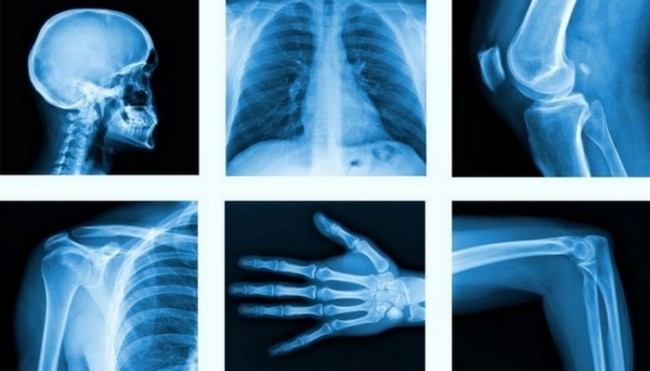
Today, it is difficult to imagine the diagnosis and proper treatment of injuries such as bone fractures without X-ray imaging technology. X-ray radiation was discovered by the German physicist Wilhelm Konrad von Röntgen accidentally while studying the passage of an electric current through a gas at ultra-low pressure.
The scientist noticed that an electron beam tube coated with barium platinum cyanide was illuminating the darkened room with fluorescent light. Since the cathode rays were invisible, he did not know what rays were emitting such light, and he called them X-rays. The scientist was awarded the Nobel Prize in physics for his invention in 1901 for the first time in history.
3. Mercury thermometer
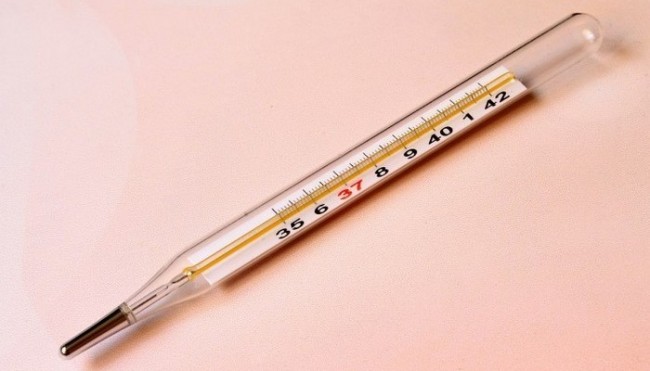
Today, thermometers have become so widespread that it is impossible to determine who invented them. In 1714, Gabriel Fahrenheit invented the first mercury thermometer. It is still used today. Even so, there is also evidence that the first device for measuring temperature was invented by Galileo in the late 1500s.
This tool was based on the principle of fluid density change relative to temperature. However, today, due to the risk of mercury poisoning, digital thermometers are gradually pushing mercury thermometers aside.
4. Antibiotics

People think that the origin of antibiotics is related to the discovery of penicillin by Alexander Fleming. In fact, the history of antibiotics dates back to the invention of "salvarsan" by Alfred Burckheim and Paul Erlich in 1907. Today, those who say "salvarsan" are known as "arsfenamin." It was the first anti-syphilis drug to yield effective results, and it was he who laid the foundation for the beginning of antibacterial treatment.
Alexandra Fleming's discovery of the antibacterial properties of penicillin in 1928 led to the popularity of antibiotics. Today, antibiotics have fundamentally reformed medicine and, in combination with vaccines, have virtually eradicated some diseases, such as tuberculosis.
5. A needle for subcutaneous injections.
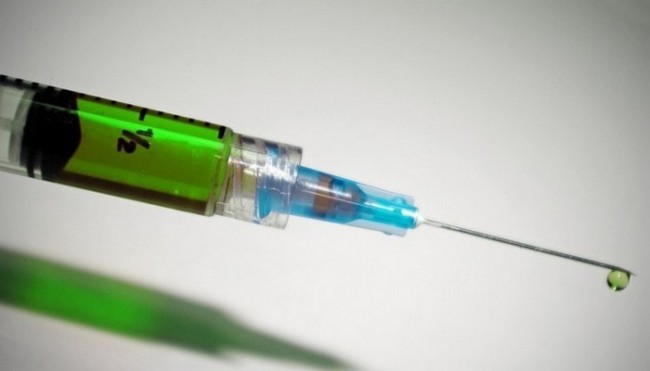
Needles for subcutaneous injections, despite their simplicity, were invented only 150 years ago. Before that, doctors in Ancient Greece and Rome used thin, hollow machines to inject fluid into the body. In 1656, Christopher Ren was injected through a goose feather into a dog's venous blood vessel.
The modern needle for subcutaneous injections was invented by Charles Pravaz and Alexander Wood around the mid-1800s. These types of needles are currently used in treatment to administer the correct dosage of the drug into the body, as well as to remove biological fluids as painlessly as possible and with minimal risk of infection.
6. Glasses
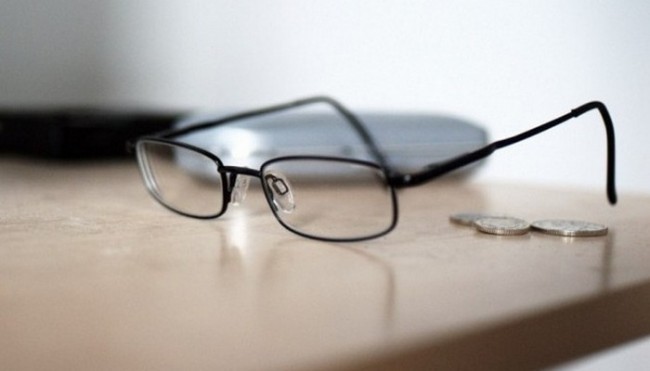
Glasses are one of the great revolutionary changes in medicine, which people usually perceive as a commonplace item. Today we don't know who invented the first pair of glasses. Centuries ago, scientists and monks used the first symbols of modern spectacles that had to be held by hand in front of the eyes.
With the rise of print books in the late 1800s, cases of vision impairment increased, leading to the introduction of glasses to the public.
7. Cardiostimulator
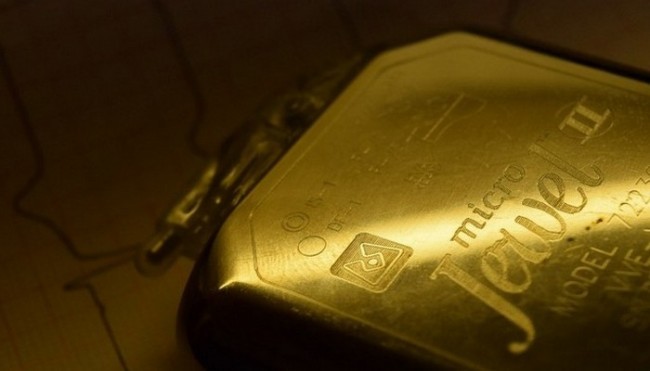
An important discovery was made in 1926 by two Australian scientists, Mark Hill and physicist Eric Booth. The prototype was a portable device, one pole of which was connected to a cushion impregnated with a salt solution, the other was placed in the patient's cardiac chamber.
Despite the clumsy design of the device, researchers were able to bring a stillborn child back to life with its help. Today, cardiostimulants have a much more complex structure, with an average battery life of 20 years.
8. CT and MRI
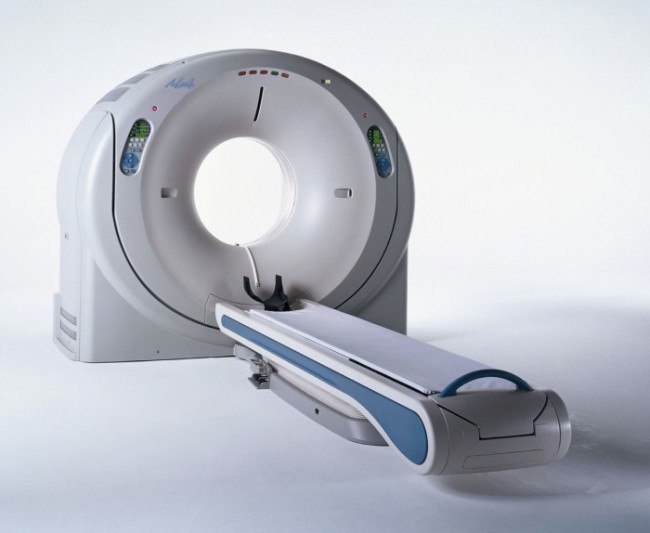
The discovery of X-rays has led to a sharp increase in the number of attempts to analyze our body surgeries, further study them, and search for new treatment methods. This subsequently led to the invention of a CT scanner, a computerized tomography scanner. Its commercial form was invented by Dr. Godfrey Haunsfield, who won the Nobel Prize in Medicine in 1979.
The CT scan could reflect "several layers of the internal organs" of a person. Soon after that, Dr. Raymond W. Damadyan invented a method for differentiating cancer and simple cells using nuclear magnetic resonance. This method was later largely coordinated and became known as MRI (magnetic resonance imaging).
9. Prosthetics and implants
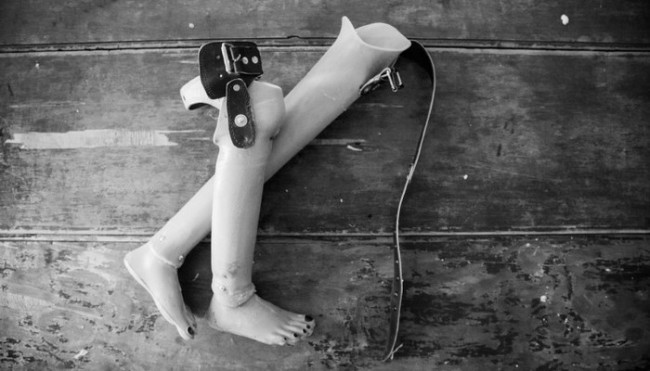
Living with physical deficiencies is a very difficult situation not only on the physical level, but also on the mental and emotional level. The invention of the prosthesis was a major change that allowed people with disabilities to live without limiting themselves to wheelchairs and crutches.
The modern prosthesis is made of carbon fiber, which is lighter and more durable than metal, and it also looks very similar to a real body part. Currently manufactured prostheses also have internal microelectric sensors, allowing them to be controlled using brain pulses.
10. Cardiac defibrillator
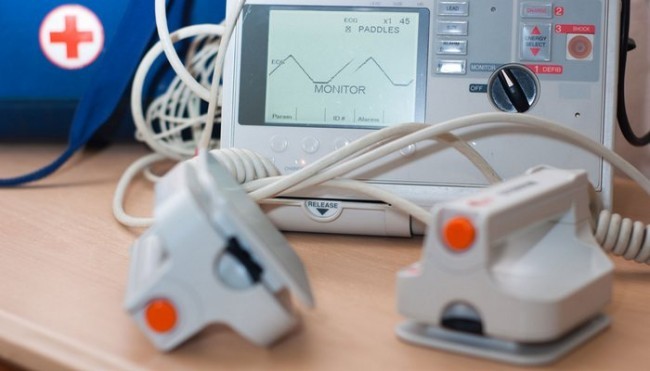
Heart defibrillation is not a concept that has been introduced in recent history. Although it has been known to humanity for several decades, it is worth thanking Claude Beck for introducing it into clinical practice. He performed successful defibrillation of a child's heart during surgery.
Today, defibrillators save millions of lives around the world.
Prepared by Ma'mura Turaeva
#Article