Stay informed with the latest news
Subscribe to our Telegram channel

Life does not consist of one plane. The trials and hardships that come to a person are often perceived by people as tragedies. In fact, it is wrong to make a tragedy out of everything, and only a person who accepts life as it is and bravely stands up to its difficulties is a winner.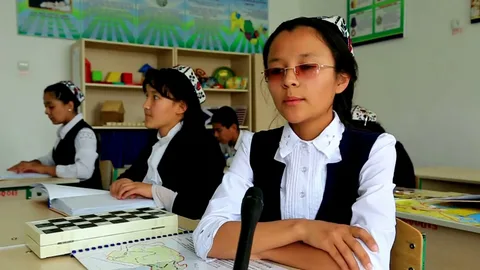 Many people may have a question about how young people with disabilities apply for higher education.
Today, based on the decision of the Cabinet of Ministers of the Republic of Uzbekistan dated June 20, 2017, we will inform you about the procedure for admission of blind applicants to higher education institutions. The following applicants are included in the category of blind:
Individuals who have attended a 9-year special boarding school for the blind and have a 3-year diploma of a secondary specialized vocational educational institution;
persons who have a document of general secondary education (on the basis of the 11th grade) or a diploma of an academic lyceum (professional college), a certificate of disability of the 1st group according to the eyes issued in the prescribed manner.
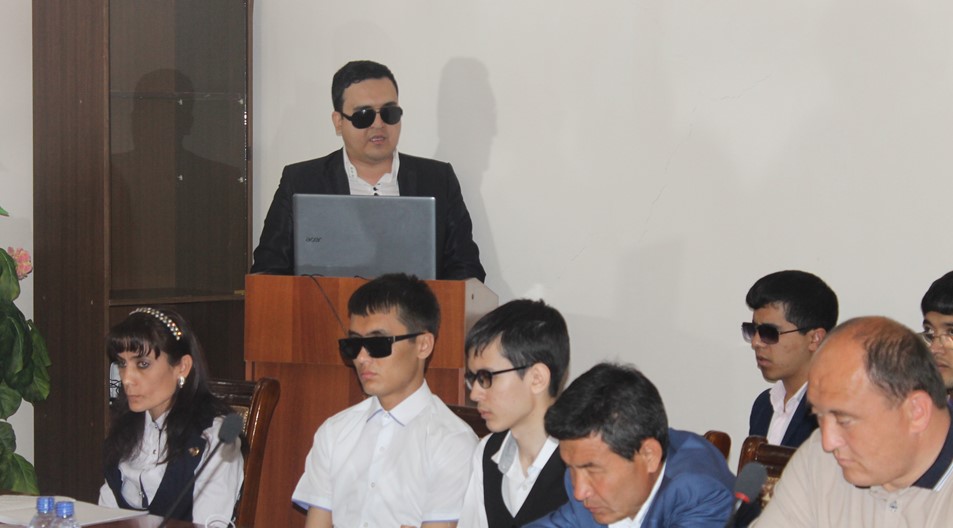 Registration of applicants is carried out by admission commissions annually from June 5 to June 25 (including on the same day). Blind applicants, along with other applicants, submit documents for the bachelor's degree of higher education through the single portal my.gov.uz and the website of the Agency for the Evaluation of Knowledge and Skills my.uzbmb.uz. Submission of documents using both services is free for persons with disabilities, particularly those with visual impairments.
  In the process of submitting documents, blind applicants will need to enter the series and number of the document confirming their disability on the website.
Admission commissions of higher educational institutions organize consultations for blind applicants on subjects of entrance exams according to a specially compiled schedule. A special responsible employee will be assigned by the admission commission of the higher educational institution to conduct explanatory work with blind applicants.
Every year, the official website of the Ministry of Higher Education, Science and Innovation, edu.uz, publishes a set of subjects on which subjects they take entrance exams in higher education institutions. The set of disciplines is approved by the state commission created under the Cabinet of Ministers. 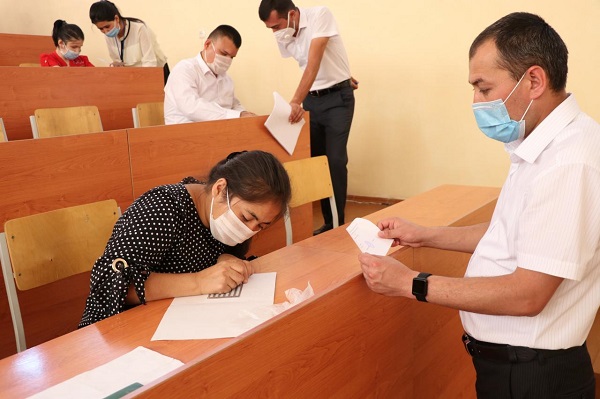 Based on the legislation and the complex of subjects, the program for admission of blind applicants to entrance exams is developed by higher educational institutions and approved by the methodological council of the higher educational institution. The program defines the requirements for the knowledge of blind applicants in subjects determined on the basis of a set of subjects in the entrance exam for blind applicants. The program also defines the commission that organizes the entrance exams and its composition, the procedure for submitting an appeal for applicants who are dissatisfied with the results of the entrance exams.
After receiving information about blind applicants who have applied to a higher educational institution, universities will study the information about the applicant and if he falls into the category of blind applicants, universities will contact this applicant by phone and provide information about the time of the entrance exams.
If there is no connection, an SMS message will be sent to the applicant. In order to organize high-quality admission to higher education institutions, admission commissions will be established in higher education institutions until July 26. To participate in the entrance exams, blind applicants must bring with them a civil passport or original copies of the diploma of the educational institution (professional school, general secondary school) they graduated from.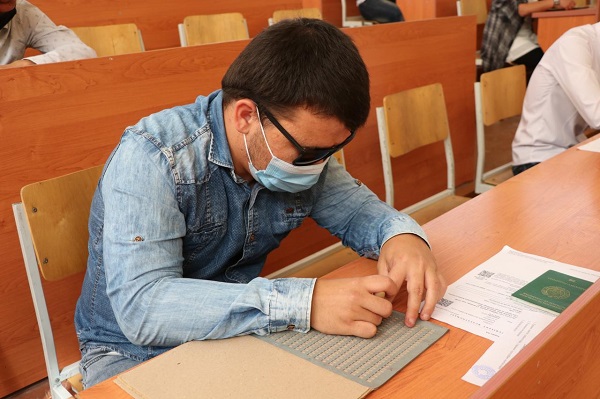 The questions on the tickets will be read out to blind applicants and they will be given time to prepare for the questions on the tickets. The applicant can write down the questions in Braille. Answering questions is done verbally. The applicant can record and read the answers to the questions in Braille. The process of each applicant's answers to the questions is recorded on a video camera. The purpose of this is to analyze and evaluate the answers, as well as to analyze the answers of applicants who have appealed. Following the completion of the entrance exams, based on the points awarded to the applicants, the admission commission recommends or does not recommend blind applicants to study at higher education.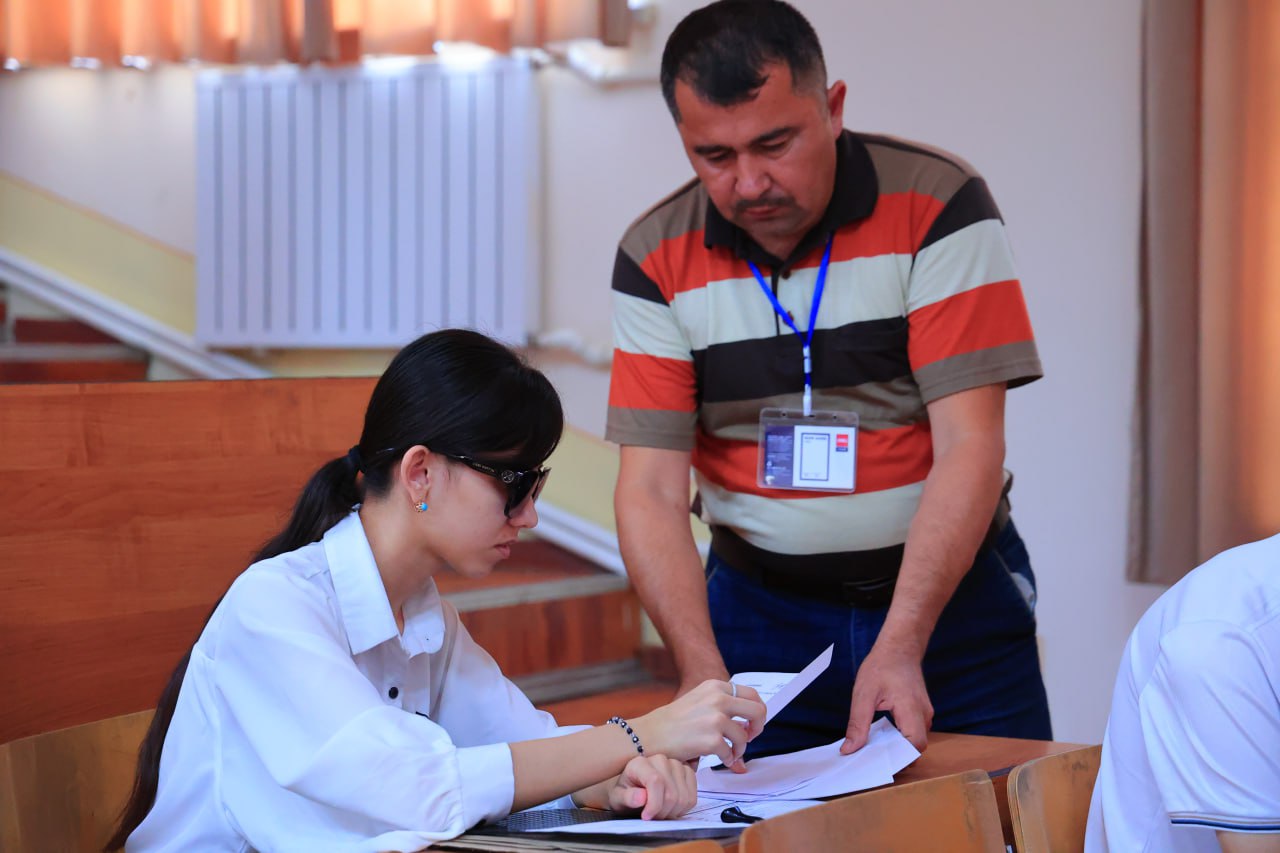
Applicants included in this category and information about the results of entrance exams are submitted to the State Commission and the State Testing Center until July 27. Applicants who successfully pass the entrance exams (with a multi-point system - more than 55 percent of the maximum score, with a five-point system - "3," "4" or "5") will be admitted on the basis of a decision of the State Commission without a competition, on the basis of state grants for separate places.
There are also problems with a number of conveniences when blind applicants apply to a higher educational institution. When documents of applicants belonging to this category are received at a higher educational institution, information about whether they are actually blind is not provided to the educational institution. Only information about the presence of disabilities is provided. As a result, the higher education institution is forced to contact all persons with disabilities and reformulate information about them. The main reason for this is that the data entered into the unified database by the medical and social expert commissions does not reflect the category of disability, which reflects only the group of disabilities. Most blind applicants have technical difficulties when submitting online documents.
They seek help from relatives in the process of submitting documents or use paid service points that provide documents. As a result, there are cases of filing documents incorrectly or without the inclusion of a disability document. When blind applicants enter the data from the disability certificate during the online application process, it becomes known that this information is not in the unified system, and blind applicants are appealing to medical and social commissions, which leads to the loss of time for blind applicants until they re-enter the data.
Collector Ma'mura Turaeva
#Education TV #Applicant