Stay informed with the latest news
Subscribe to our Telegram channel

The 31st of December - New Year's Day, which millions of people around the world are waiting for, is only a matter of time. In this regard, we would like to share with you interesting facts about the methods and history of celebrating the holiday.

1. The first New Year was celebrated in 45 BC. In the same year, the Roman emperor Julius Caesar declared January 1 a national holiday. He named "January" after the Roman god of double doors, Janus.
2. The Christmas tree was first decorated as a festive tree in the early 17th century in the city of Elzas. The citizens of the city of Alsace (which was part of Germany at that time and now belongs to France) decorated the firs and pine trees with roses made of colored paper, apples, cookies, sugar.
3. The first glass toy to be hung on a juniper was made in Thuringia (Saksonia).
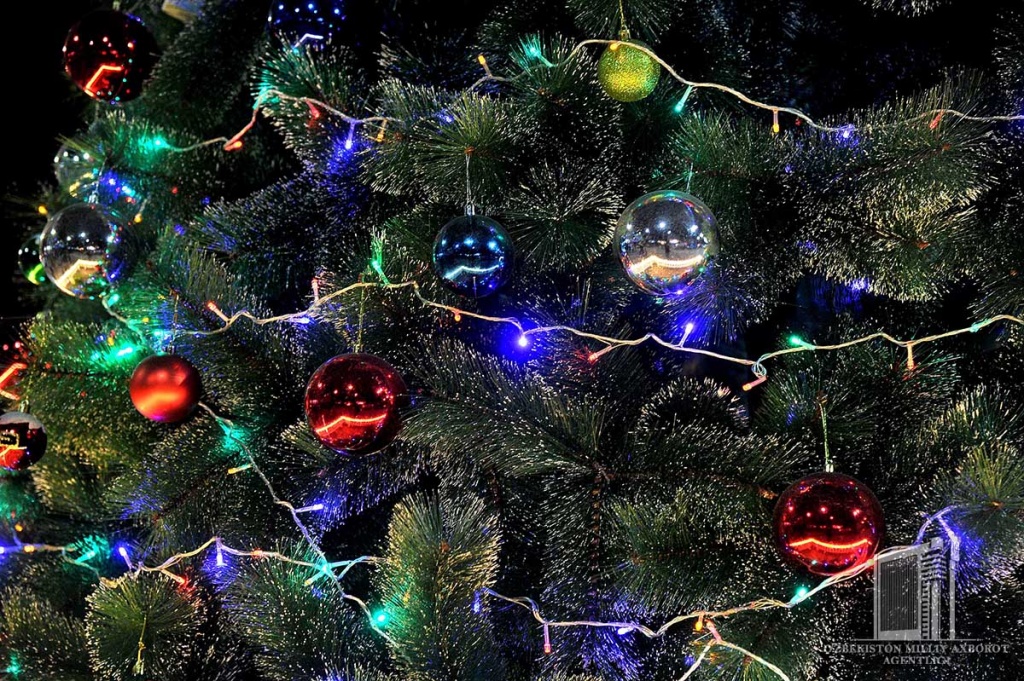
4. The Christmas tree decoration, consisting of colorful lamps, was created in America in 1895.
5. In 1700, Tsar Peter I issued a decree to celebrate the New Year on January 1. Previously, Christians in Russia celebrated the New Year on March 1, while those of other faiths celebrated it on September 1.
6. Since 1949, January 1 has been a public holiday worldwide.
7. Until 755, the first day of the year in France was December 25. This date was later moved to March 1. In 1564, by a decree of King Charles IX, January 1 was designated as the beginning of the year.

8. The Eskimos celebrate the New Year on the day when the first snow falls.
9. In Cuba, the day before New Year's Eve, all the pots in the house are filled with water, and on New Year's Eve, the water is sprinkled on the street or in the yard. In this way, they hope to be freed from sins and to welcome the new year without sins. Also, Cubans call the new year "King's Day."
10. In Greece, the head of a family goes out into the street on New Year's Eve and strikes a pomegranate on the ground. It is said that the more pomegranate seeds are scattered around, the more successful the coming year will be.
11. In Italy, on New Year's Eve, old clothes, items, and furniture are thrown out of the house.
12. Italyans have a hypothesis that the more old items are thrown onto the street, the more wealth the year gives.
13. In ancient Babylon, the New Year's holiday coincided with the spring month. On the day of the festival, the Shah left the city with all his court officials. And the people went out all night and celebrated the New Year.
14. In some peoples, on New Year's Eve, people write their best wish on paper and burn it when the clock strikes 00.00. There is a belief that if the paper burns until the gong stops, this dream will certainly come true.
15. On New Year's Eve, Tibetans distribute a piece of cake to every person crossing the street. They connect the blessed arrival of the new year with the number of cookies distributed.
The team of the TV channel "Ta'lim" congratulates all our compatriots on the new year 2025!
#Article