Stay informed with the latest news
Subscribe to our Telegram channel

Air, water and food. These are the elements necessary for life. We may soon add our phones to these essential elements of human life. Because smartphones have already become part of our lives. Want to know something? Search on Google. Do you need to calculate anything, please, calculator? If you need to go somewhere and you don't know the address, there's no need to be afraid. After all, our smartphone has a map that knows the whole world like five hands!
Talking with friends on Telegram, "swimming" on social networks, listening to music, watching movies, a means of entertainment for children, even when sleeping, is under our pillow... There's nothing to do with the phone, but we just sit there and watch the screen on. Thus, the average user opens their smartphone 150 times a day. This is one of the new diseases of the century, so we are all sick.
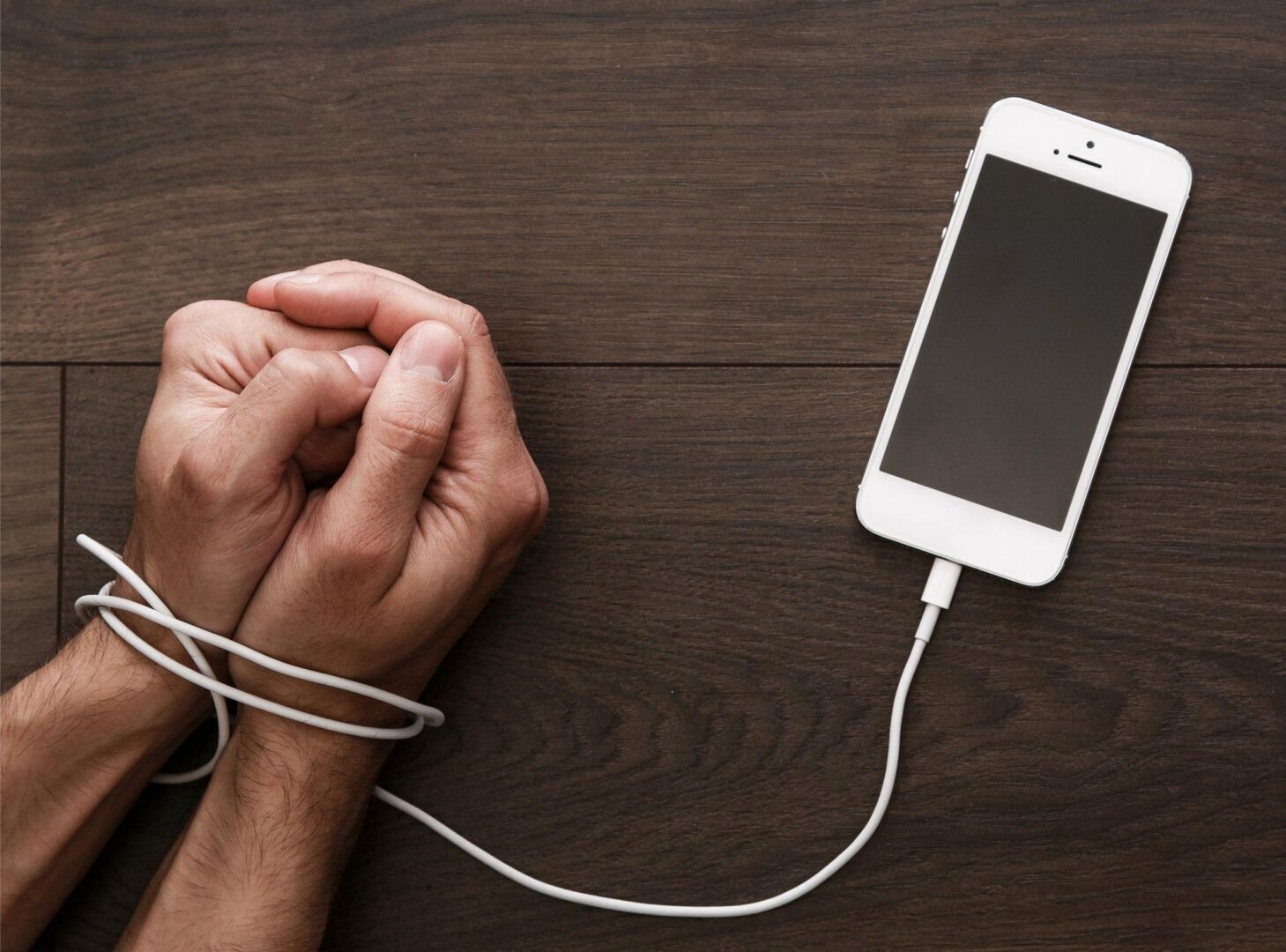
Do you know about non-phobia?
Smartphones have become an important part of our daily lives. However, this huge shift in technology brings us psychologically negative impacts - problems with stress, concentration, sleep, and so on. Let's take a look at the negative side effects of being addicted to cellular and a few facts together.
The average smartphone user examines their device 47 times a day, or 17,155 times a year.
85 percent of smartphone users look at their phone while talking to friends and family members.
Eighty percent of smartphone users monitor their phones before going to bed.
Smartphone addiction is nomophobia, characterized by the fear of being left without a phone. Although mobile phones have been around for a few years, why is there a growing dependence on phones? Simply put, it depends on the number of capabilities in the device
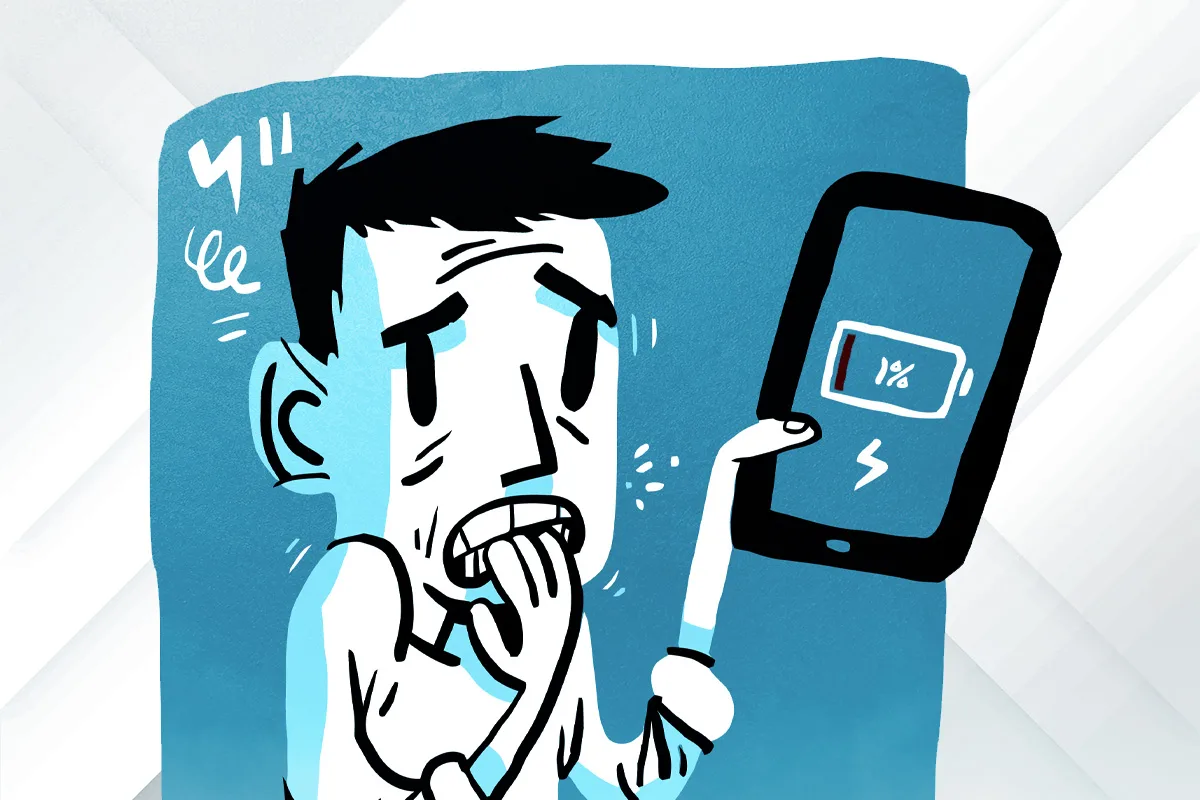
The sources and factors causing this attack.
How phone addiction can negatively impact our lives
All the studies we have reviewed have shown that excessive use of the phone can affect both physical and mental health.
Anxiety is simply that if you have your phone with you, your productivity will decrease, meaning you will continue to be lazy. You have a very high probability of getting inactive.
Narcissism People who are addicted to social media begin to acquire excessive self-imposing qualities, which arise as a result of constantly reporting their personal lives.
Depression and loneliness are more common, mainly among adolescents who use their social network at a high level.
Attention deficit - The flow of information can affect the brain's ability to stay on a task for more than a few minutes.
Sleep loss - Excessive use of the phone can negatively impact our sleep, which is the most important to human health.
Key signs of cellular addiction:
Do you have one of the following emotions, or do you feel that each of these expressions belongs to you? These are all the most common types of people who are addicted to smartphones.
Having difficulty finishing work or working due to concentration problems?
Do you use your phone while separating from family and friends or during conversations?
Continue to use your smartphone continuously, for example. At work, in the bathroom, on the street, even at the pedestrian crossroads?
Do you feel isolated or lonely without your phone?
Or are you going to be irritable, anxious, and even upset by your loved one without a phone?
Do you suffer from sleepiness at night as a result of phone calls throughout the day?

If you observe these changes in yourself, it means that you are moving away from external life, that is, from the happiness of enjoying life.
We've become more of a technology integrator, but what's the connection between necessity and a propensity for a cell phone? There are many statistics on how much time people spend on their phones in a day.

How much time do we spend on our phones?
According to the survey, 22% of smartphone owners aged 18-29 examine their phone several times per hour.
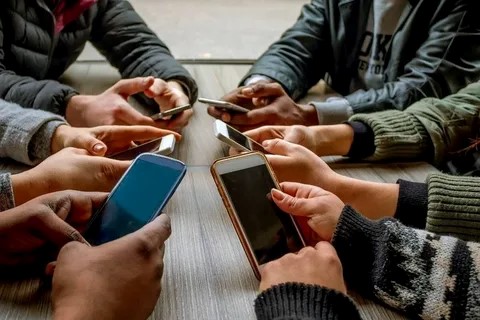
We present to your attention another statistic.
In general, we can all accept that other people are spending too much time on phones, but how much time do we spend on content on our own mobile devices? Do we know that? A number of studies have been conducted around the world, indicating that the level of daily usage varies in each country, and below are countries by average time across all sources.
Top 10 Smartphone Countries
In Brazil, the average user spends more than 5 hours a day, which is the equivalent of a mind-boggling amount of time spent on the phone. That is, every 1/5th day it is spent on their phone.
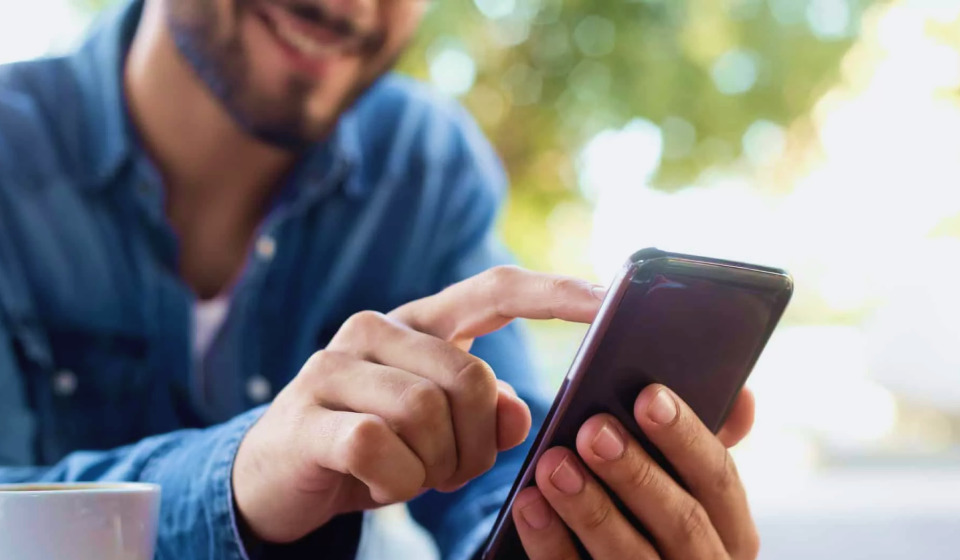
Do your children also have a tendency to use phones?
A lack of intellectual maturity in a child or adolescent negatively affects their ability to limit their use of smartphones and apps - Parents should take control of their child's dependence on mobile phones and their physical and mental impact on them.

Ways to reduce a child's addiction to smartphones.
You can't solve the problem by simply taking your children's phones away from them to eliminate their addiction to their phones. Different methods will help you in this regard.
Use apps to track usage: the new digital health of iOS and Android usage tracking apps show how your child is actually using the device and usage features, such as: apps, emails.
Manage your personal use: You need to be a role model in this situation, and if you spend a few hours on your phone, focusing on your family's interactions during the conversation, you will undoubtedly be the right user.
Create rules around the house: by limiting the use of smartphones in certain places or at certain times in the house, you can create a more healthy environment.
Educating other interests: Another way to reduce children's phone habits is to engage them in more social and physical activities (sports/ hobbies) to help them reduce stress through exercise.

Communicate: Spend time as a family without mobile devices, stay close to your child, because you may find that excessive use of smartphones disguises problems at home or school, such as depression and stress.
In conclusion, let's say that cellular communication currently does not give us the first place in the list of modern technologies that lighten our burden. It helps us instantly get in touch with our nearest human being and provides us with any information we need at any time, meaning it also plays an important role as a source of knowledge. However, as with two sides of a coin, there are laws, rules, and norms for the use of this modern device. We hope we have provided you with some information about this.
Prepared by Ma'mura Turaeva
#Article