Stay informed with the latest news
Subscribe to our Telegram channel

Zulfiya Israilova was born on March 1, 1915, in Tashkent into the family of a craftsman-smith. His grandfather was called Muslim Degrez, and he lived in the Degrezlik neighborhood. The poetess recalls her father, tempered by fire and iron, as follows: "My father was a hardworking blacksmith. I always saw him at work. At that time, I couldn't comprehend how hard people had to work to feed their children and maintain their households. I saw only pleasure and enthusiasm in my father's profession, which always accompanied the fire."
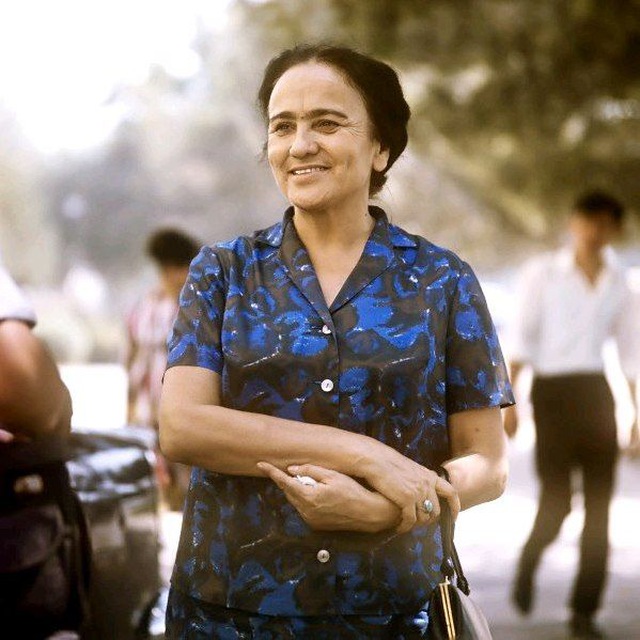
One of Muslim degrez's five children was Israel degrez. Israel had seven children and named the youngest of her children Zulfiya.
Zulfiya's childhood was spent in this work environment, in a house fragrant with the warmth of steel. It seemed to him that his father was such a skilled blacksmith that he could even cast dolls from steel. He had followed his father, who was anxiously walking around the cauldron, and had begged him: "Dad, make me a doll!" His thin, dark-skinned, stout father, scattering sparks of molten steel to make various tools, seemed to him like heroes from folk tales.
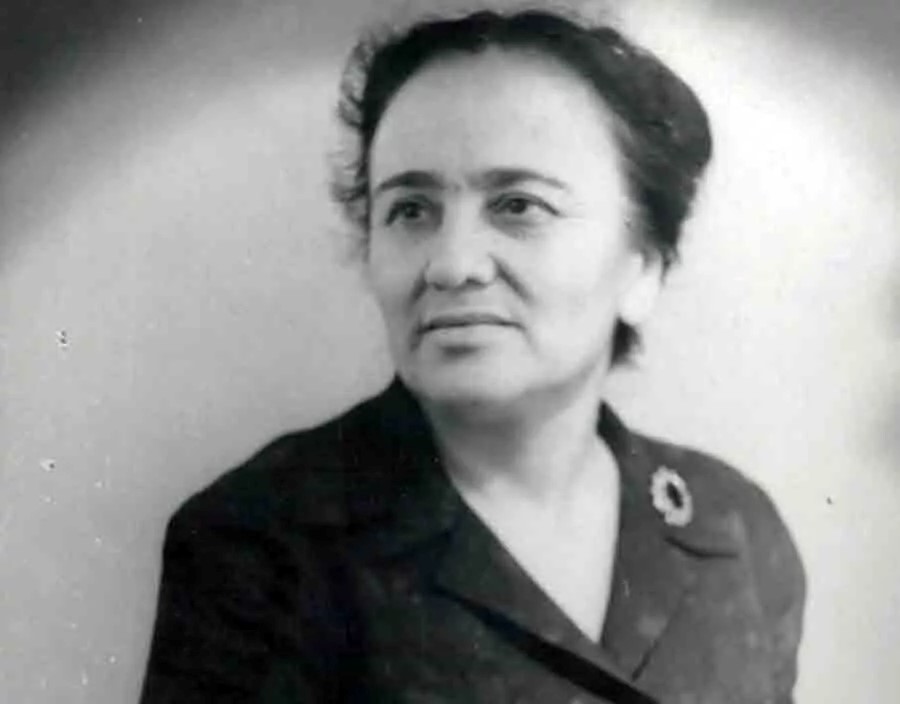
Zulfiya received her first life lessons from her parents and brothers.
On winter evenings, the whole family would gather around the sandal, and Aunt Khadicha would slowly open the large headscarf, leaf through some folk book or notebook inside it, and read a poem or war epic. Zulfiya first heard the poems of Navoi, Bedil, and Fuzuli from her mother. Zulfiya's love for the "Word," "capable of creating miracles, opening the world wide, leading humanity towards beauty," was awakened by her mother - an ordinary woman who never stepped outside.
Soon after, the girls, devoted to poetry, went to the Writers' Union and began attending seminar sessions led by Hamid Olimjon and Uyg'un.
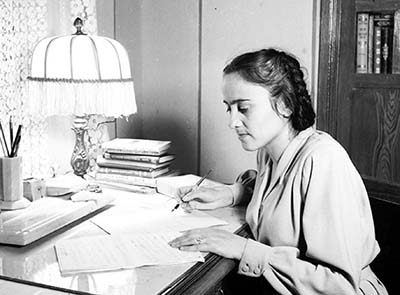
Zulfiya constantly read books, and at night, hiding from everyone, she practiced poetry. Finally, he dared to show his exercises to the club leaders. Her first poem, "I am a Working Girl," was published in the "Ishchi" newspaper on July 17, 1931, through Shukur Sa'dulla.
Overjoyed by the publication of Zulfiya's poem, Normat aka bought a stack of newspapers and displayed them to everyone. Her surrender to such joy inspired Zulfiya.
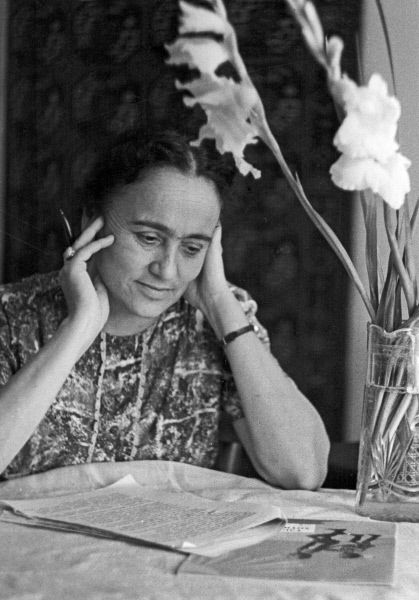
His poems began to be published in the newspapers "Young Leninist" and "Red Uzbekistan," in the magazines "New Path" and "Uzbek Soviet Literature." In 1932, Zulfiya's first collection of poems - "Lives of Life" - was published.
These poems caught Hamid Olimjon's attention as well.
"I," writes Zulfiya, "first saw Hamid Olimjon that year. We, about twenty literature enthusiasts, would gather for seminar sessions. Hamid Olimjon and Uyg'un led the training sessions. I am still amazed by their calm, cheerful, strong faces, which only a self-confident person possesses at that time. They behaved extremely freely...
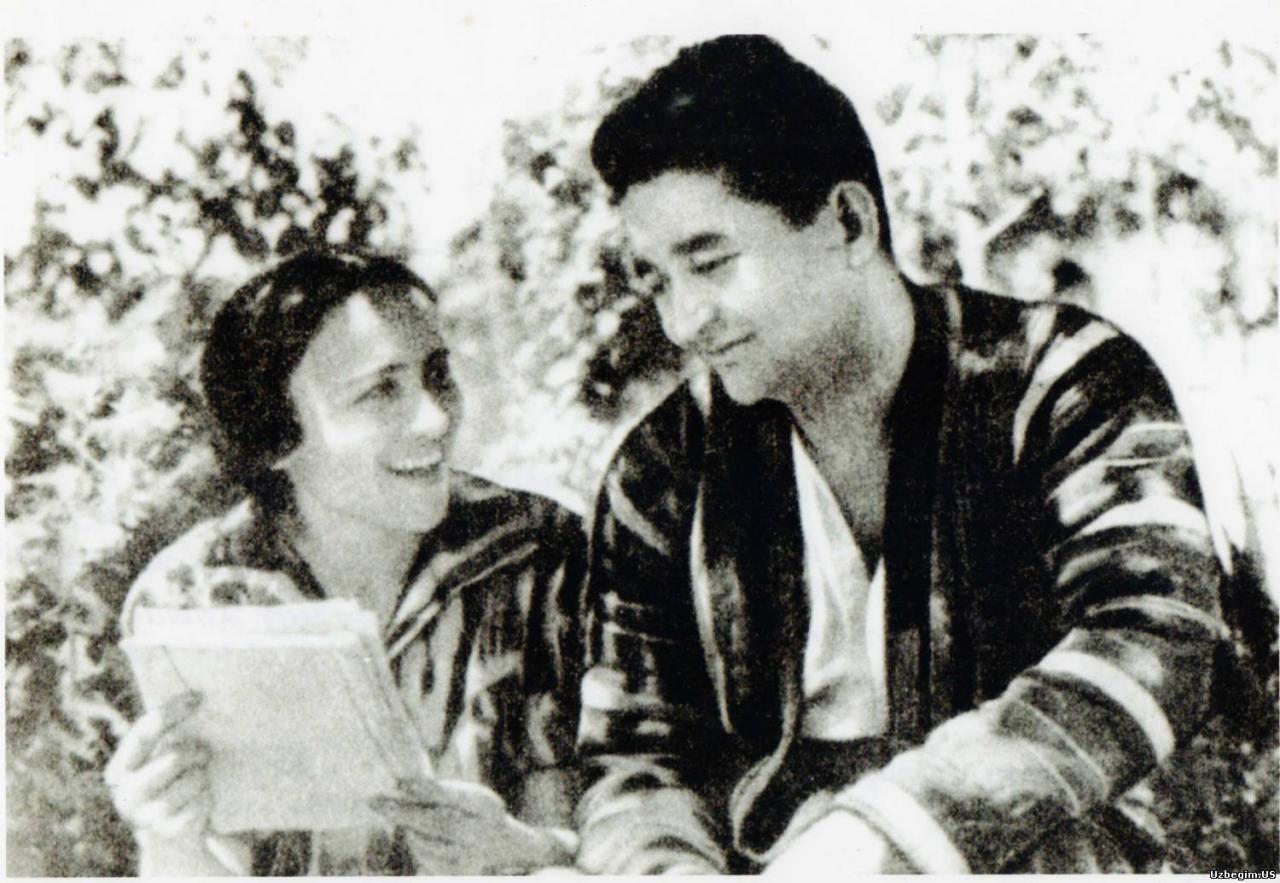
...I won't hide it. Hamid Olimjon passed from my eyes to my heart from our first meeting. With my very young instinct, I felt his broad soul, his immense talent."
It was 1934. At the square in front of the current "Mustaqillik" metro station, Hamid Olimjon met Zulfiya. Until now, they had only known each other through literary evenings. Hamid Olimjon, pleased with the chance meeting, had a long conversation with Zulfiya.
"I read your poem," he says with open affection. - Good. Shall I tell you what it is? The poem contains a portrait of your soul. Even if it's just a piece. It is your soul. That's how it should continue. It is necessary to write the truth without rhetoric...
At that time, Zulfiya had a vague understanding of the word "rhetoric." But he won't say anything about it.
"At that time," writes the poetess, "I flew to our house, not walked. As soon as I arrived, I put down on paper the feelings that arose along the way. I wrote this poem so lightly and with such fervor that it seemed to me that some mysterious power had entered my heart and was giving strength to my thoughts and hands. (This must be my poem called "Spring Night.")
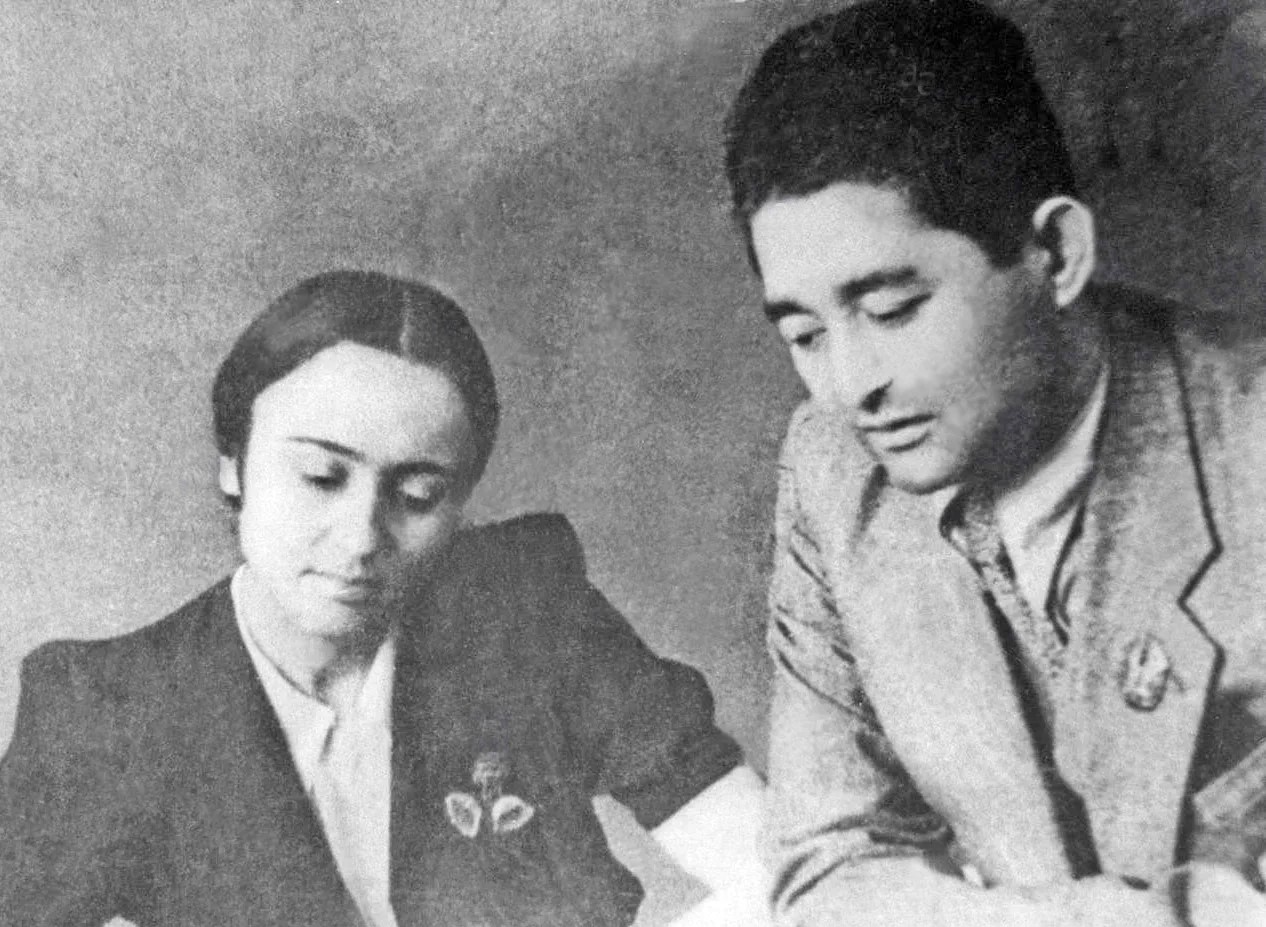
After this meeting, Zulfiya began to think frequently about Hamid Olimjon, and Hamid Olimjon began to carefully follow the young poet's poems.
Soon after, Zulfiya graduated from the educational institution and entered the postgraduate program of the Institute of Language and Literature under the Uzbekistan Committee of Sciences in 1935. Here, he enhanced his literary and theoretical knowledge alongside prominent future scholars like Solih Mutallibov and Ayub G'ulomov.
During these years, Hamid Olimjon also worked at the Institute of Language and Literature. When he met Zulfiya, he was interested in her work and gave her various advice. Each meeting brought them closer together and began to sow the seeds of love in each other's hearts.
1935 entered their lives as the happiest date. On July 23 of this year, fate bound the life ties of the two poets for life. During this period, Hamid Olimjon was a 26-year-old young man, the author of five books of poems and stories, a renowned poet, a diligent scholar, and a mentor to young poets. For Zulfiya, he was not only a spouse and friend, but also a figure of unprecedented importance in her creative destiny.
"Our wedding took place in 1935," writes Zulfiya. - I lived happily. When a person truly loves and is loved, all the difficulties around them seem insignificant. All four seasons seem like spring. That's what I felt at the time."
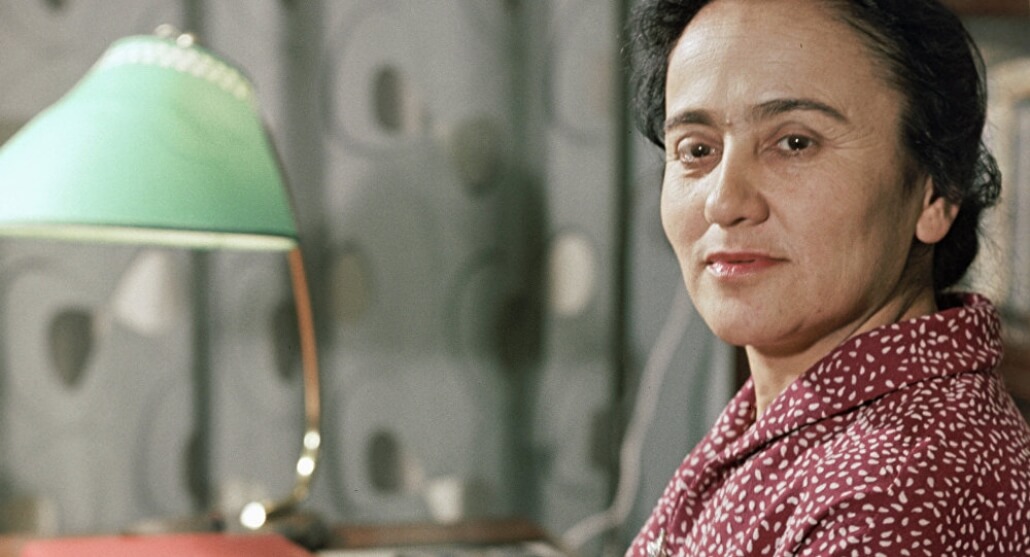
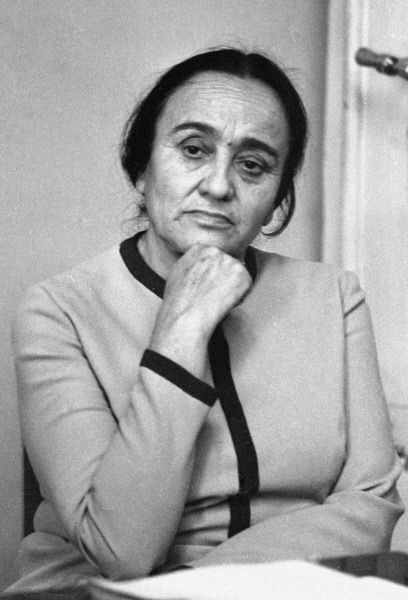
During the war, the publication of the poet's collections "They Called Him Farhad" (1943) and "In the Days of Separation" (1944) was a sign that Zulfiya was confidently entering the ranks of leading poets. The poems in the collection are characterized by the fact that they are created in the spirit of love for the Motherland, hatred for the enemy, and faith in victory. Zulfiya's hopeful poems, such as "My Homeland," "Arms in My Hands, a Overcoat on Me," and "Wait for Us," are among the works that express the militant spirit of wartime Uzbek poetry.
In a series of poems, such as "A Day in the Field" (1948), "Morning Song" (1953), and collections "I Sing of the Dawn," "People Close to My Heart" (1958), and "My Songs to You" (1965), written in the post-war years, the praise of the Motherland and the lives of people showing dedication in the labor process are passionately sung. His essays and poems, such as "My Poem Asks the Poet" (1960), "Oydin" (1953), and "Sunny Pen" (1967), are dedicated to the bright memories of masters like H. Hakimzoda, Oybek, Oydin, and Hamid Olimjon.
Zulfiya also created a play and opera libretto based on H. Olimjon's epics "Semurg'" and "Zaynab and Omon."
Zulfiya was a laureate of the Hamza State Prize of the Republic for such poetry collections as "Houses" and "Shalola." He was awarded the Jawaharlal Nehru International Prize for his poems on Indian themes, the "Nilufar" International Prize for his works celebrating peace and friendship, and for his active participation in the movement of progressive Asian and African writers.
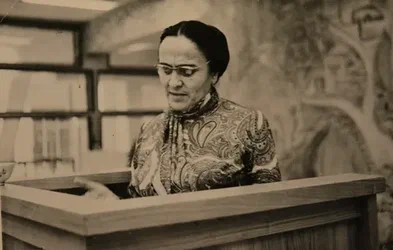
The poetess visited countries such as India, Yugoslavia, Sri Lanka, Egypt, Burma, and Austria. In 1956, he participated in the first conference of Asian and African writers in Delhi and created the famous work "Mushoira" (1958).
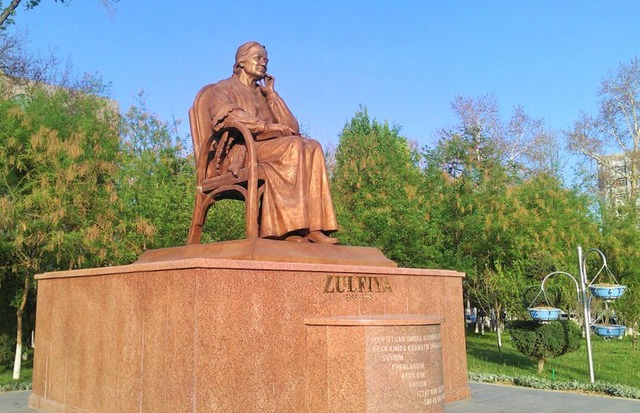
His poems have been translated into Russian, English, German, Hindi, Bulgarian, Chinese, Arabic, Persian, and other languages. The poetess skillfully translated the works of Nekrasov, Lermontov, V. Inber, Lesya Ukrainka, Edi Ognetsvet, M. Dilboziy, and Amrita Pritam into Uzbek.
The renowned poet passed away on August 1, 1996, at the age of 81.
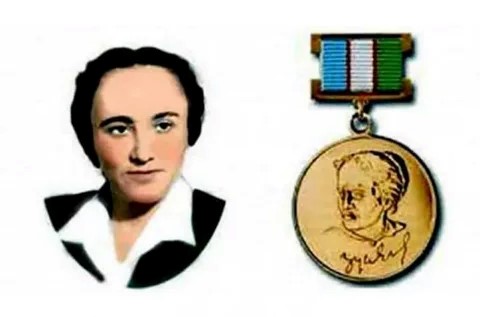
On June 10, 1999, by presidential decree, the Zulfiya State Prize was established for progressive women in society.
Collector: Mamura Turaeva
#Article