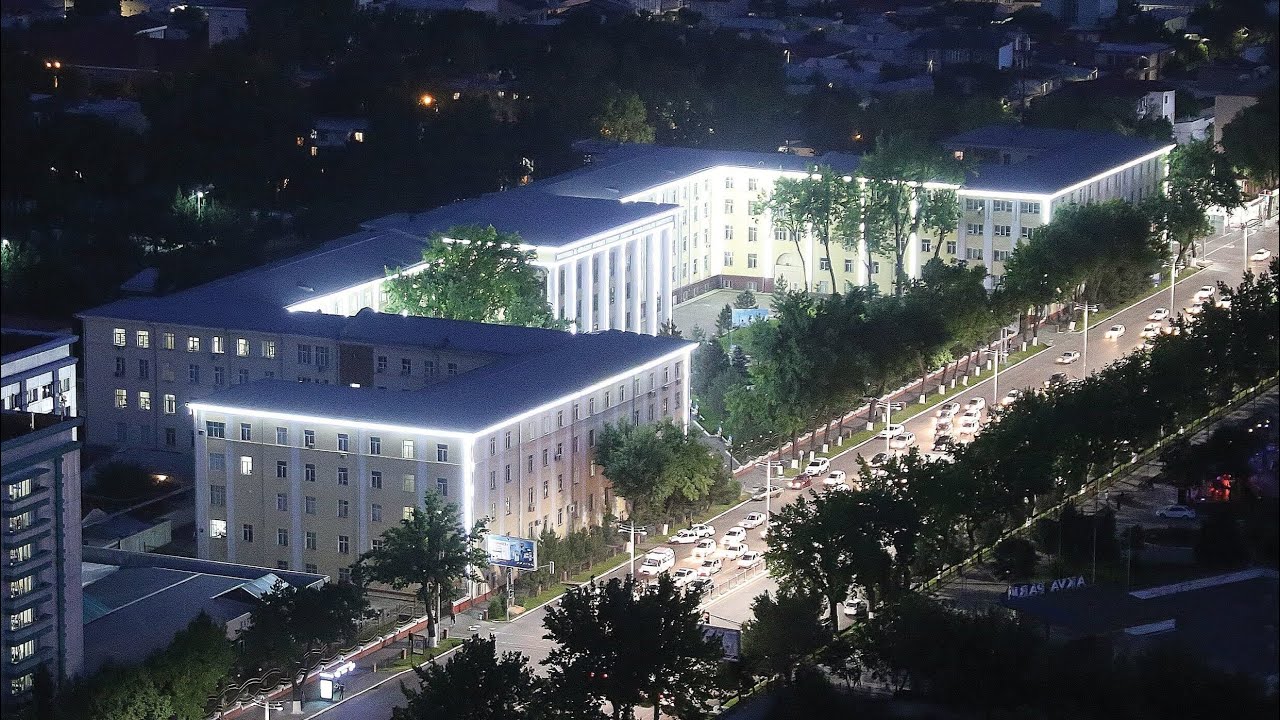
The Tashkent University of Information Technologies named after Muhammad al-Khwarizmi (formerly the Tashkent Institute of Electrotechnical Communications) was established in 1955. On May 30, 2002, in accordance with the Decree of the President of the Republic of Uzbekistan No. UP-3080, it was transformed into the Tashkent University of Information Technologies (TUIT).
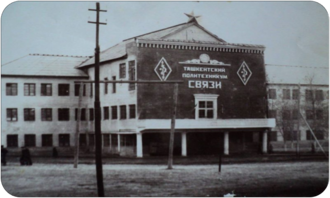
TUIT yesterday and today
- 1955 - Tashkent Electrotechnical Institute of Communications (TEAI);
- 1960 - the first generation of electrical communication engineers was trained;
- 1978 - base points of the external faculty of TEAI were established in Frunze (now Bishkek), Dushanbe, Almaty and Fergana;
- 1993 - a special faculty for the training of communication officers was established at the TEAI Institute;
- 1994 - The Central Asian Telecommunications Training Center (SAUTST) was established under the institute to improve the qualifications of engineering and technical personnel of the communication networks of the Central Asian republics and Mongolia, Pakistan and India;
- In 1997, a lyceum-internation began operating at the institute.
- 1999 - an academic lyceum began operating at the institute;
- 2002 - According to the Decree of the President of the Republic of Uzbekistan, TEAI was renamed Tashkent University of Information Technologies (TATU).
- 2005 - regional branches of TUIT were established in the cities of Karshi, Nukus, Samarkand, Urgench and Fergana.
The university and its regional branches have 13 faculties and 62 departments, which train personnel in 23 areas of education, including the following bachelor's and master's specialties.
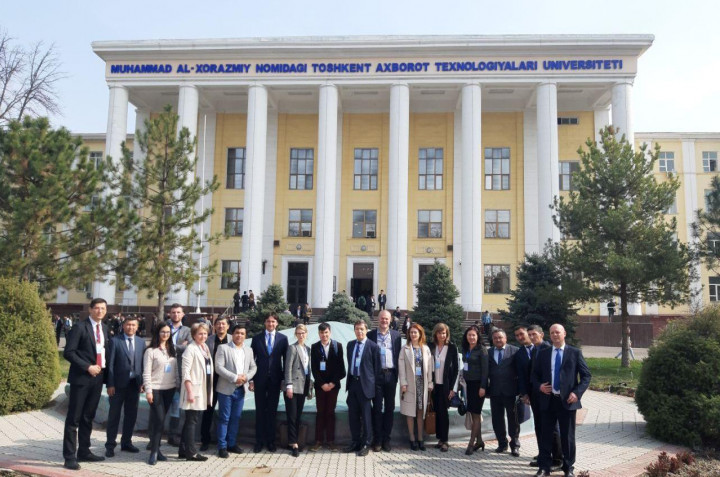
Bachelor's degree programs:
Daytime:
- Digital economy (Information and communication technologies);
- Library information activities (Information - library technologies);
- Electronic commerce;
- Information security (Information and communication technologies and service);
- Computer engineering ("AT-Service," "Computer Engineering," "Multimedia Technologies");
- Software engineering;
- Artificial intelligence;
- Telecommunication technologies ("Mobile Systems," "Telecommunications," "Television and Radio Broadcasting");
- Television technologies ("Telestudio systems and applications," "Audiovisual technologies");
- Economics and management in the field of information and communication technologies;
- Professional education in the field of information and communication technologies;
- Postal communication technology;
- Radio electronic devices and systems (Information and communication technologies);
Outside:
- Electronic commerce;
- Digital economy; Information security;
- Computer engineering ("AT-Service," "Computer Engineering," "Multimedia Technologies");
- Telecommunication technologies ("Mobile systems";
- "Telecommunications," "Television and Radio Broadcasting").
Remote
- Computer engineering ("AT-Service," "Computer Engineering," "Multimedia Technologies");
- Software engineering;
- Economics;
- Management;
- Information systems and technologies;
- Artificial intelligence.
Master's degree programs:
- Theory and Methodology of Professional Education (Computer Engineering);
- Computer graphics and design;
- Digital economy;
- Electronic libraries and archives;
- Logistics (Digital Logistics);
- Electronic commerce;
- Computer Science and Programming Technology (Software Engineering);
- Geoinformation systems and technologies;
- Cryptography and cryptanalysis;
- Information security;
- Computer engineering ("Information and multimedia technologies," "Applied software design," "Computer system design");
- Management of the "Electronic Government" system;
- Computer systems in medicine;
- Data science;
- Internet accessories;
- Software engineering;
- Artificial intelligence;
- Telecommunications engineering ("Information transmission systems," "Television and radio broadcasting," "Telecommunication technologies");
- Software for telecommunications systems;
- Information security in telecommunications systems and networks;
- Technical operation of fiber optic networks;
- Photonics and optical communication;
- Technology of animated films;
- Organization and technology of the postal service;
- Devices and systems of television, radio communication and radio broadcasting;
- Mobile communication systems;
- Intelligent information and communication systems;
- Satellite communication systems;
- Video technologies;
- Special lighting technologies;
- Digital forensics;
- Electricity supply (Telecommunication networks and systems);
- Medical and biological apparatus, systems and complexes;
- Information technologies in education;
- Information transmission devices and systems;
- Television technologies;
- Audio and video technologies.
Postgraduate education:
- Engineering geometry and computer graphics. Audio and video technologies;
- System analysis, management, and information processing;
- Theoretical foundations of computer science;
- Mathematical and software support for computing machines, complexes, and computer networks;
- Methods and systems for information protection. Information security;
- Mathematical modeling. Numerical methods and software packages;
- Documentary studies. Archival science. Library science;
- Information acquisition systems and processes;
- Digital technologies and artificial intelligence;
- Telecommunications and computer systems, telecommunications networks and devices. Information sharing;
- Radio engineering, radionavigation, radar and television systems and installations. Mobile and fiber-optic communication systems;
- The economy of the service sector;
- Digital economy and international digital integration.
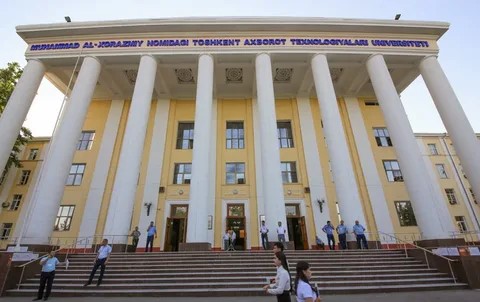
Currently, the university has the following faculties:
- Faculty of vocational education in the field of ICT;
- Faculty of Economics and Management in ICT;
- Faculty of Television Technologies;
- Faculty of Telecommunication Technologies;
- Faculty of Cybersecurity;
- Faculty of Software Engineering;
- Faculty of Computer Engineering;
- Faculty of Radio and Mobile Communications;
- Joint Faculty of Information Technologies TATU-BGUIR.
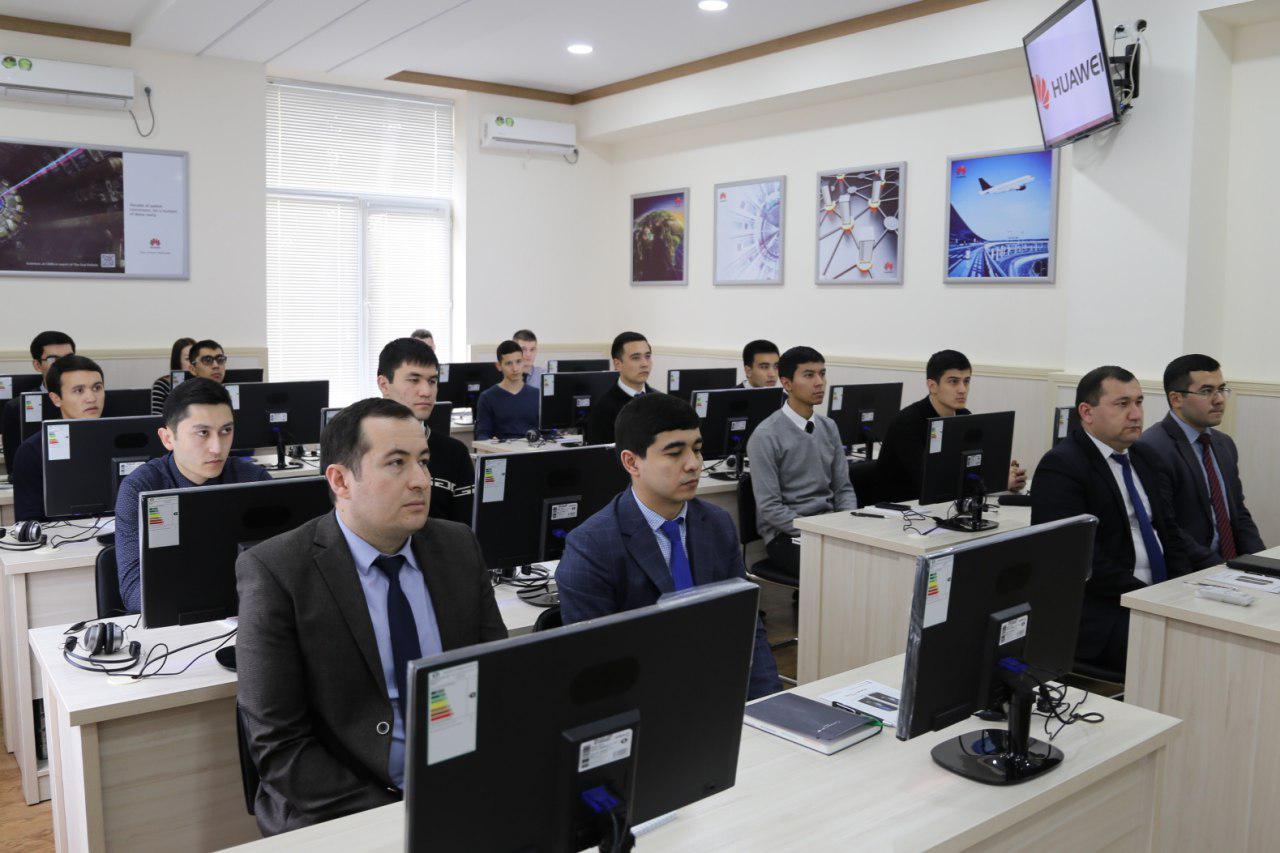
Currently, the university has the following faculties:
- Faculty of vocational education in the field of ICT;
- Faculty of Economics and Management in ICT;
- Faculty of Television Technologies;
- Faculty of Telecommunication Technologies;
- Faculty of Cybersecurity;
- Faculty of Software Engineering;
- Faculty of Computer Engineering;
- Faculty of Radio and Mobile Communications;
- Joint Faculty of Information Technologies TATU-BGUIR.
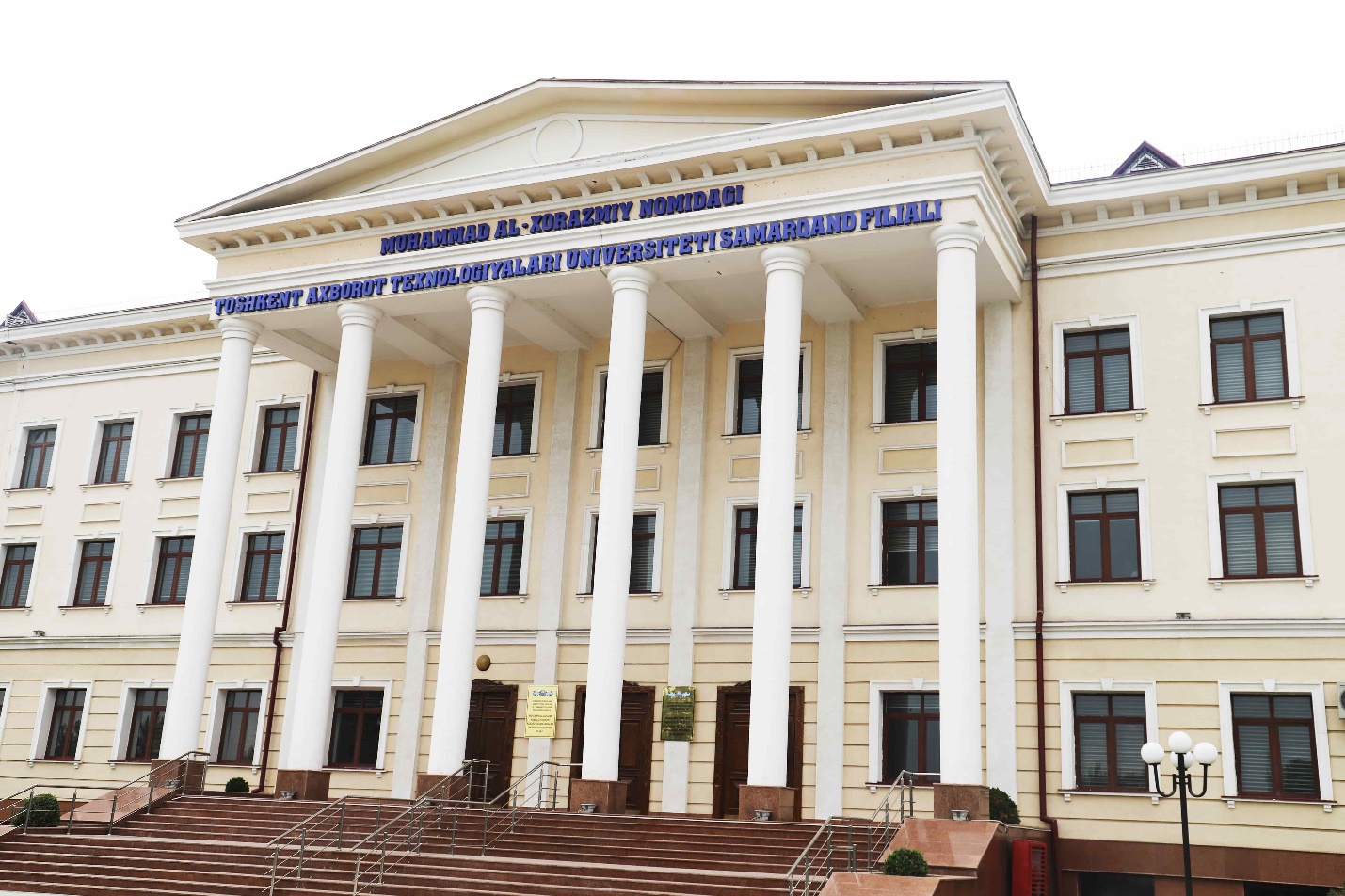
TATU's regional branches have a total of 12 faculties and 41 departments.
More than 18,000 students study at the branches. The branches will prepare 12 bachelor's degree programs and 9 master's degree programs.
Tashkent University of Information Technologies named after Muhammad al-Khwarizmi is strengthening its position in prestigious international rankings every year. In particular, in 2024, for the first time, 3 higher education institutions of our republic were included in the list of top universities of the prestigious rating organization - Times Higher Education (THE). The prestigious British international rating organization Times Higher Education has published the list of the TOP-1000 higher education institutions in the World University Rankings-2025.
TATU and its regional branches have a total of 223 mutual cooperation agreements, agreements and memorandums with 190 universities, 7 research centers, 26 organizations and companies in 57 countries. In particular, TUIT has signed a total of 204 mutual agreements, agreements and memorandums with 175 universities, 5 research centers, 24 organizations and companies from 35 countries.

TUIT implemented three projects as a grant holder for the first time within the framework of the European Union's Erasmus+ program in 2020-2024. Also, 9 projects are being implemented within the framework of the Erasmus+ program of the European Union.
The investment project "Global IT Business Education Program and the creation of FabLab" is being implemented with the support of the Korean organization KOICA for 2022-2027.

From September 2, 2022, at the Tashkent University of Information Technologies named after Muhammad al-Khwarizmi, the "Admission and Student Registration Department" was established, and a Registration Office was launched within its structure, aimed at providing electronic services to students. Within the structure of the department, there are "Reception Department" and "Student Registration Department."
Including:
Obtaining a certificate of study (education);
Obtaining a transcript (academic certificate);
Modify students' personal information;
Obtaining student certificates;
Obtaining information about the annual academic calendar (curriculum);
Certification of diplomas (diplom.edu.uz);
Obtaining "Credit recognition";
Obtaining information about the amount of the contract;
Receive information about faculties;
Obtain information about the conditions of academic mobility;
Obtaining information about expulsion from the student body;
Obtaining information about academic leave;
Obtain information about transfer conditions;
Resumption of education and obtaining information about it;
Transfer of studies from abroad and obtaining information about related fields;
Acceptance of foreign citizens for study and obtaining information about its conditions;
Obtaining information about admission to the master's program and related areas;
Obtaining information about changing the form of education;
Transferring from group to group and obtaining information about it;
Acceptance of student files;
Obtaining copies of student documents;
Return of student files;
Obtaining an archival reference (for graduates);
Receive Diploma and Application (for graduates)
services such as.
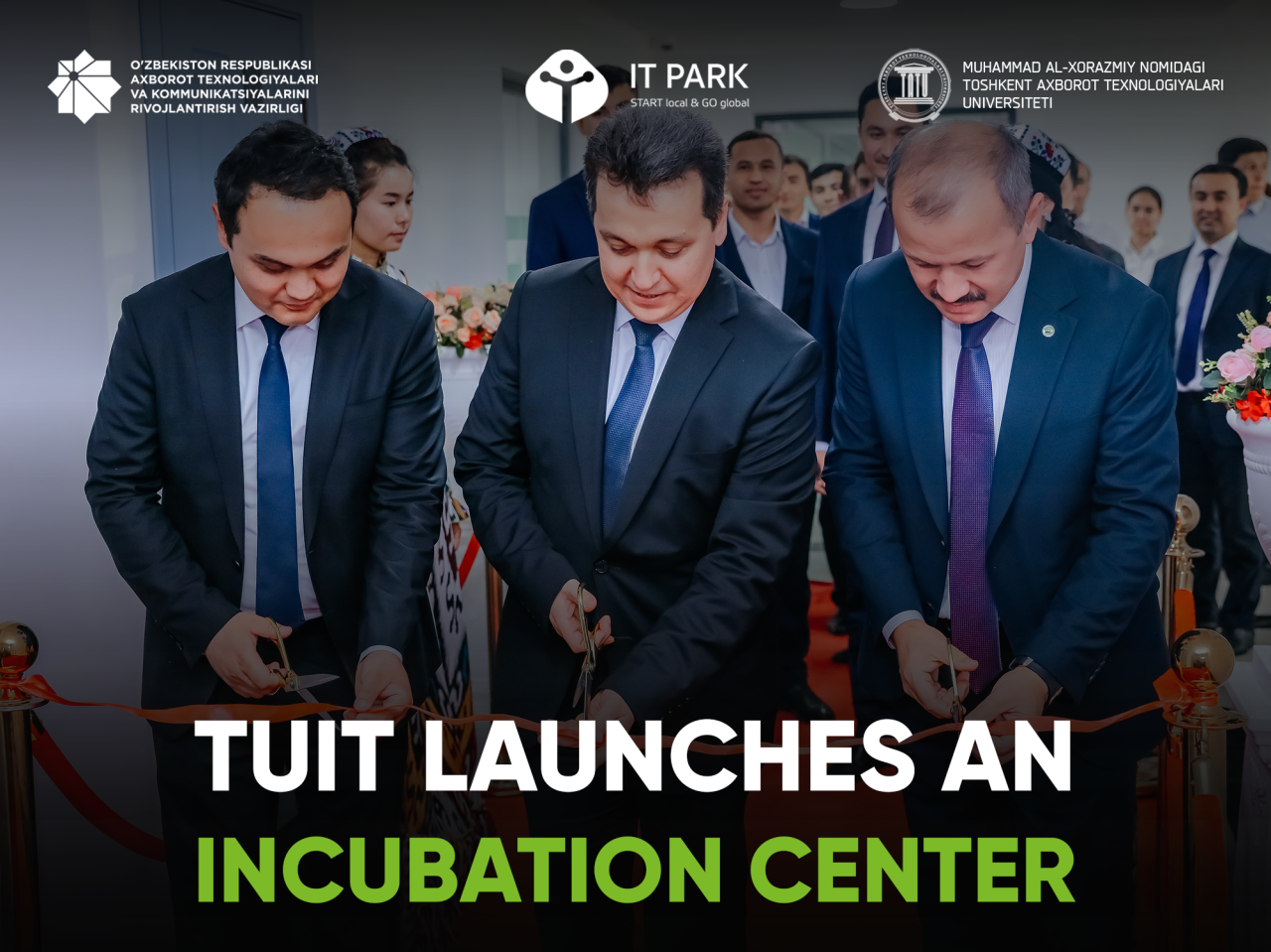
The incubation center "TUIT Incubation Center" of the Tashkent University of Information Technologies named after Muhammad al-Khwarizmi was established and began operating in 2022.
The university has 32 scientific and innovative laboratories, all of which are closely linked to the incubation center "TUIT Incubation Center." This center will serve to develop the startup ecosystem at the university and popularize the achieved achievements.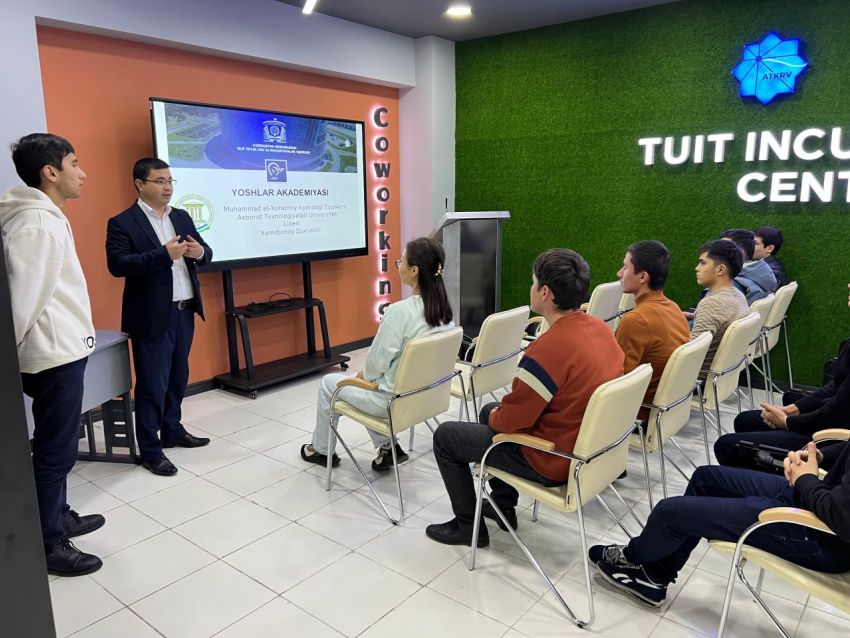
The employment rate of graduates of the Tashkent University of Information Technologies named after Muhammad al-Khwarizmi and its regional branches averages 95-96 percent.
At the same time, over 500 graduates have been engaged in entrepreneurial activities (in their specialty and other areas) over the past 2 years.
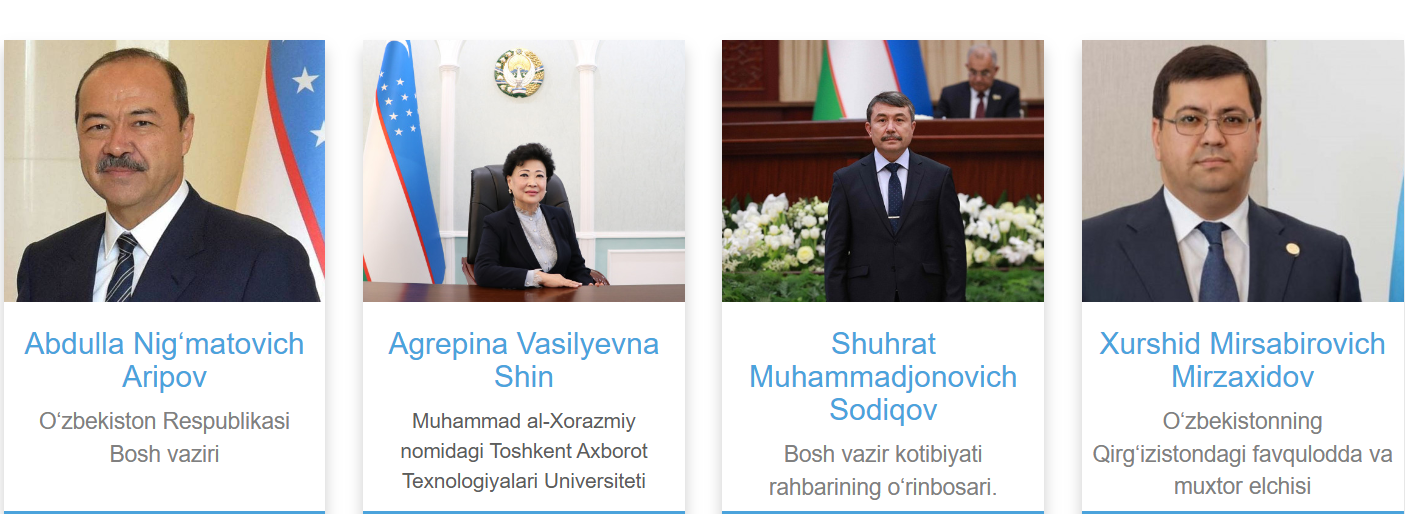
By graduating from this university, you'll meet the following prominent alumni who are driving the transformation of our society today:
- Abdulla Nigmatovich Aripov (1982);
- Agrepina Vasilyevna Shin (1980);
- Sodiqov Shukhrat Muhammadjonovich (2004);
- Mirzakhidov Khurshid Mirsabirovich (1995);
- Makhsudov Jamol Tilloevich;
- Fayzullayev Alisher Nasibullaevich.
The Tashkent University of Information Technologies named after Muhammad al-Khwarizmi is active in the following social networks.
If you have any questions or suggestions regarding this university, you can contact the following address and numbers:
- Phone: +99871238-64-15;
- Email: tuit@tuit.uz
- Official website: tuit.uz
- Telegram: @tuituz_official
- Address: 100202, Tashkent city, Yunusabad district, Amir Temur Avenue, 108.
Keep following us Educational TV is always ready to share the latest news in education with you!
Prepared by Ma'mura Turaeva
#Universities