Stay informed with the latest news
Subscribe to our Telegram channel

The institution was established in 1976 as the Andijan branch of the Tashkent Institute of National Economy. In 1986, it was transformed into the Andijan Institute of Management and Economics. Based on a proposal by the Ministry of Higher and Secondary Specialized Education of the Republic of Uzbekistan, coordinated with relevant ministries, departments, and economic associations, to change its specialization and reorganize the institution, and in accordance with the Decree of the President of the Republic of Uzbekistan No. PP-1533 and the Resolution of the Cabinet of Ministers of the Republic of Uzbekistan No. 214 dated July 25, 2011, on transforming the Andijan Engineering and Economic Institute into the Andijan Machine-Building Institute, as well as the Order of the Ministry of Higher and Secondary Specialized Education of the Republic of Uzbekistan No. 319 dated July 29, 2011, the Andijan Machine-Building Institute was established on the foundation of the Andijan Engineering and Economic Institute.
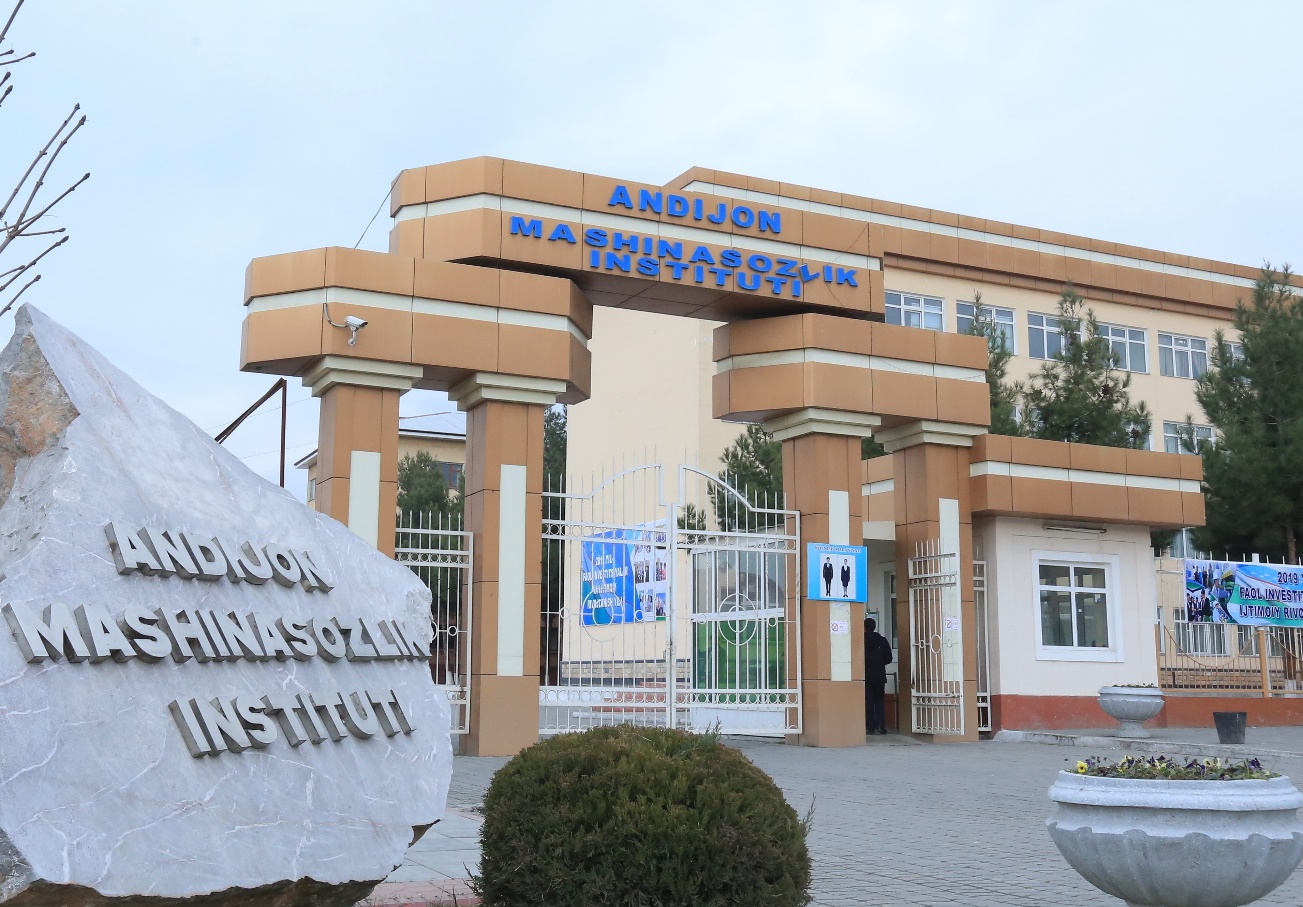
The institution was established in 1976 as the Andijan branch of the Tashkent Institute of National Economy (now Tashkent State University of Economics). In 1986, the institution was transformed into the Andijan Institute of Management and Economics. From 1992 to 1995, it functioned as the Andijan Institute of Economics and Management, and from June 5, 1995, to 2011, it operated as the Andijan Engineering and Economics Institute.
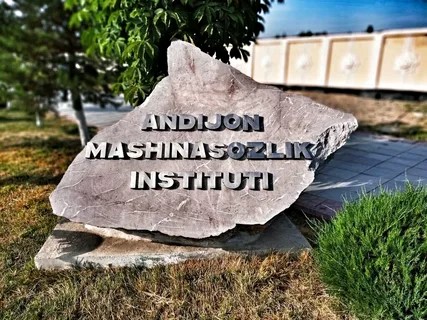
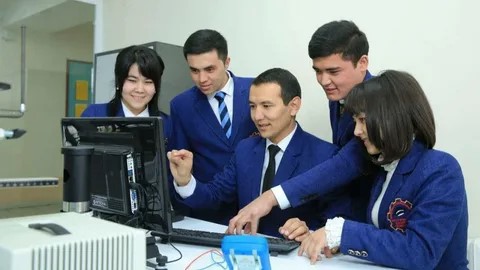
Currently, nearly ten thousand students are pursuing their education at the institute. More than 300 professors and teachers are working in the institute's active departments. Among them, 19 are Doctors of Science and 92 are Candidates of Science. Additionally, a total of 156 doctoral candidates, including basic doctoral students and targeted researchers, are conducting scientific research across 23 specialties in the doctoral program.

The Andijan Institute of Mechanical Engineering has 6 faculties, which are as follows:
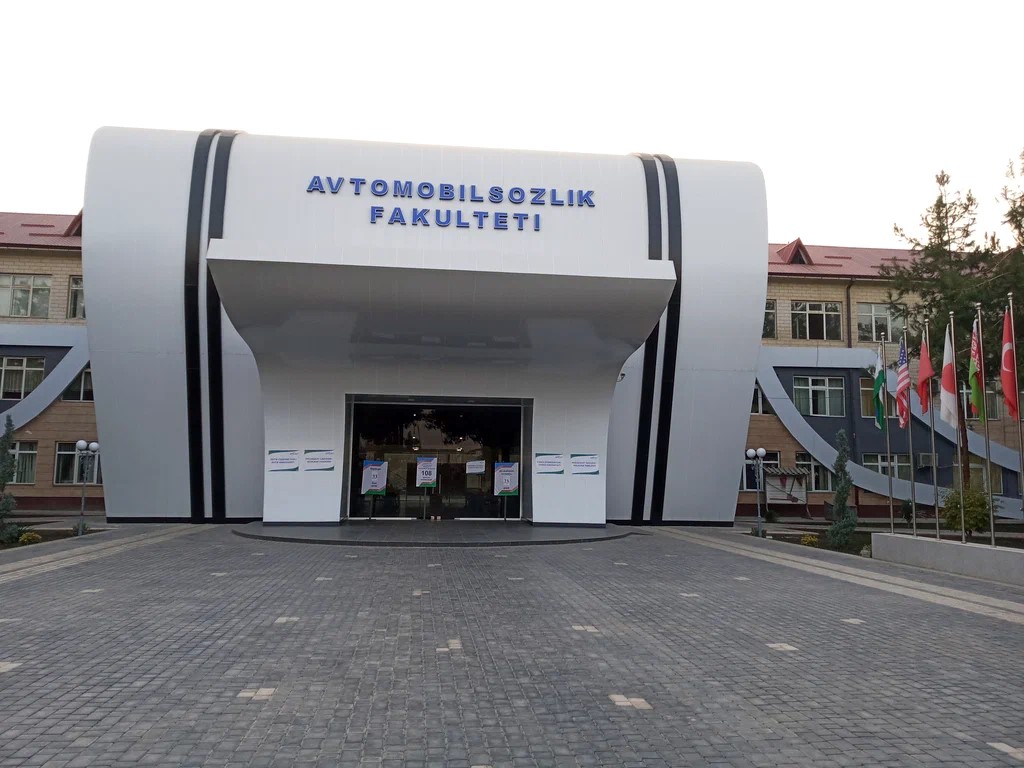
As of today, personnel are being trained in various undergraduate degree programs and master's specializations based on the existing faculties at the institute, which include "Mechanical Engineering Technology," "Automation and Electrical Engineering," "Automotive Engineering," "Transport and Logistics," and "Innovative Educational Technologies.".
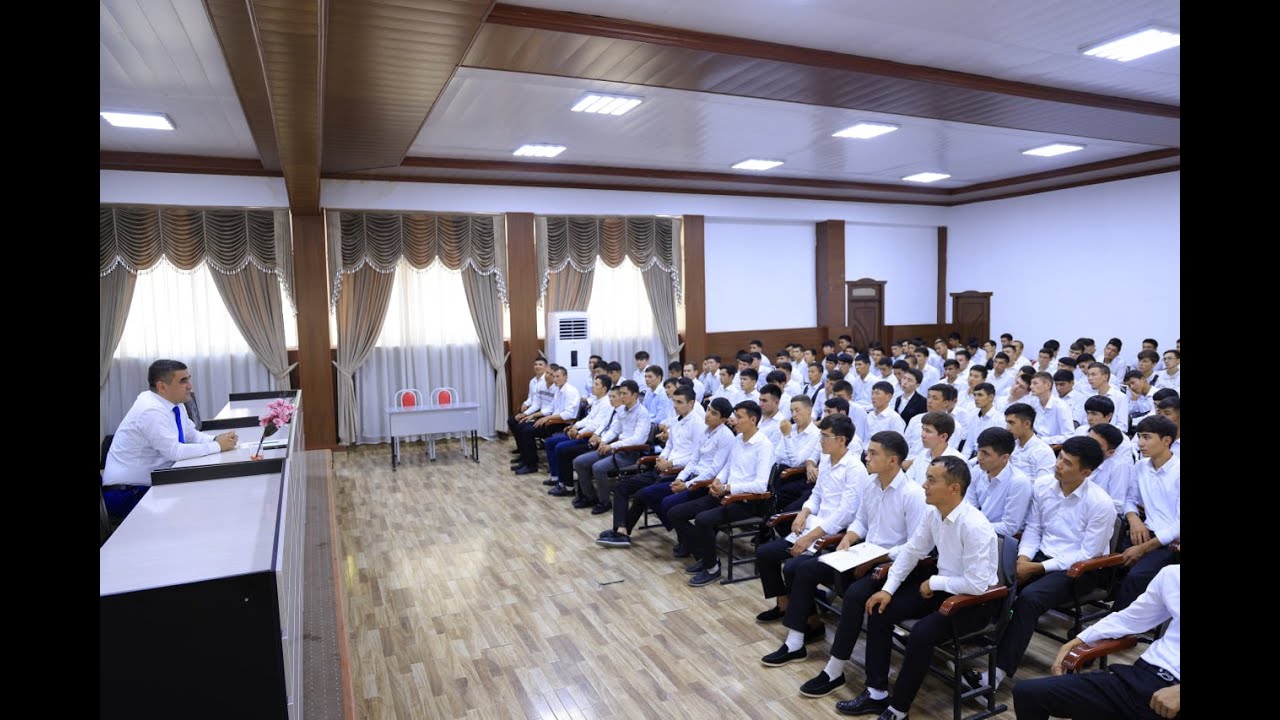
Bachelor's Degree
The Institute offers bachelor's degrees in the following fields of study:
Master's Degree Programs:
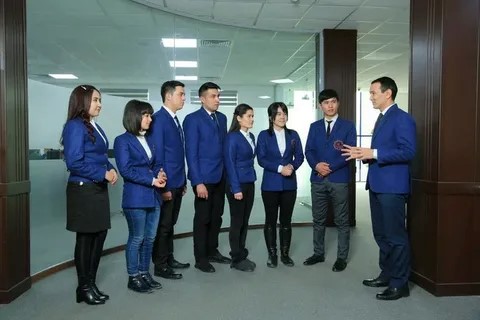
International cooperation is one of the main priorities for every higher education institution, serving to ensure integration into the global education system, align with world higher education standards, and create modern conditions and a regulatory framework for expanding the scope of educational, scientific, and economic activities.
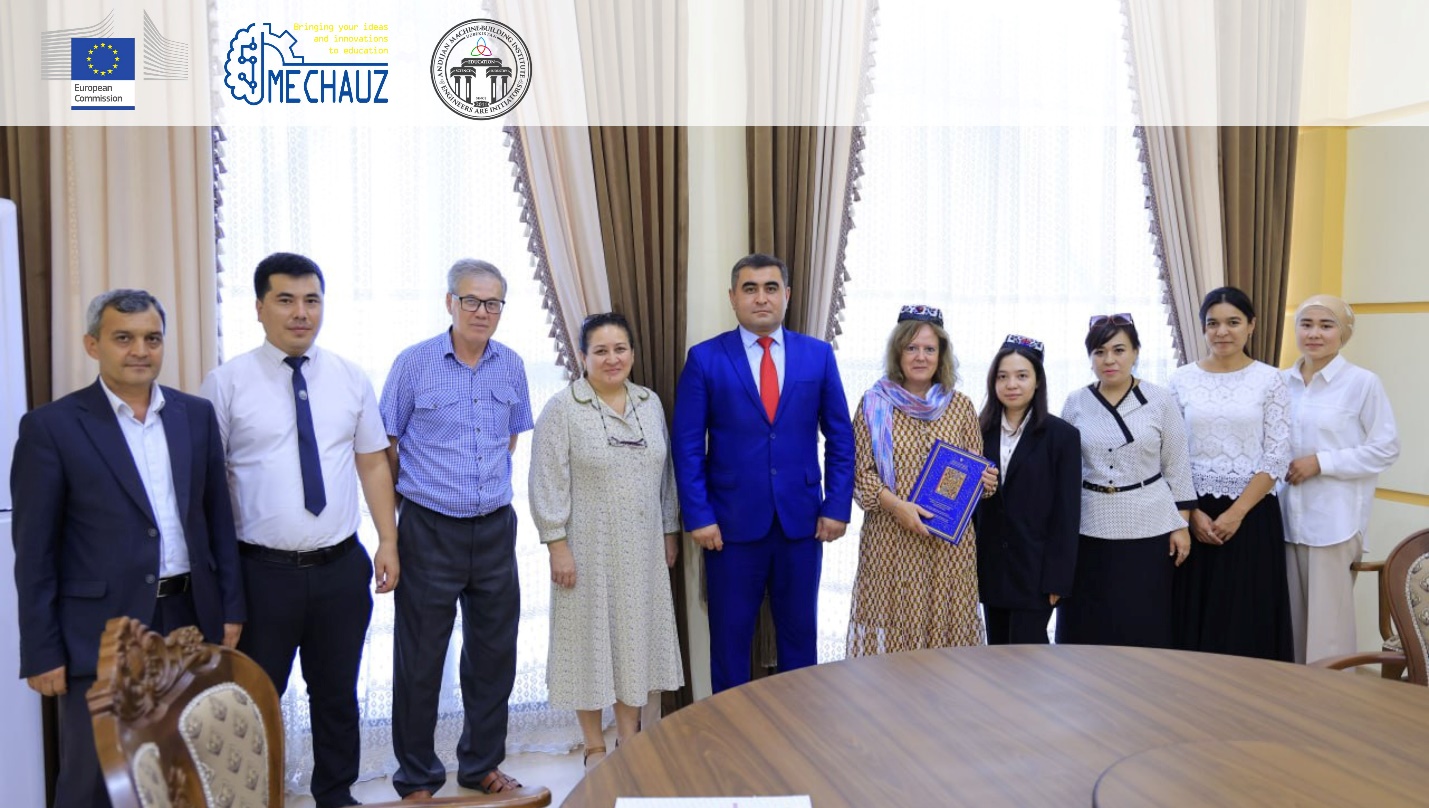
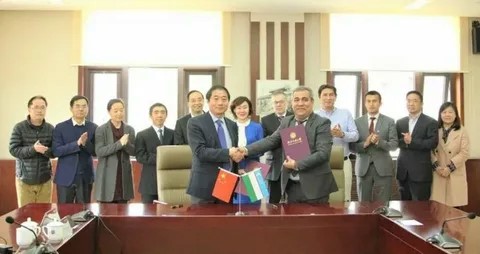
At present, the institution has established collaborative relationships with over 80 higher education institutions across dozens of countries worldwide, including Russia, Belarus, Germany, China, Korea, Turkey, Kyrgyzstan, Kazakhstan, and Lithuania. Notably, cooperation with several prestigious higher educational institutions in the People's Republic of China is steadily strengthening.
If you have additional questions or suggestions, you can contact us using the following address and numbers:
Keep following us! The Education TV channel is always ready to share the latest news in education with you!
Prepared by Mamura Turayeva
#Universities